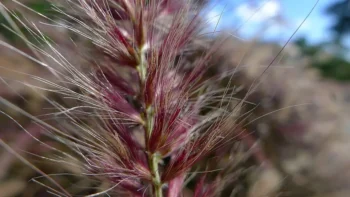
Pennisetum macrostachyum: The Mystery Grass You’ve Probably Never Heard Of
If you’ve stumbled across the name Pennisetum macrostachyum in your plant research, you’re not alone in wondering what exactly is this plant? This grass species is something of an enigma in the gardening world, with very little documented information available to help gardeners understand its characteristics or growing requirements.
What We Know About This Grass
Pennisetum macrostachyum belongs to the graminoid family, which means it’s a grass or grass-like plant. This puts it in the same general category as familiar lawn grasses, ornamental grasses, sedges, and rushes. However, unlike its more famous cousins in the Pennisetum genus (think fountain grass), this particular species remains largely undocumented in horticultural literature.
The Information Gap
Here’s where things get tricky for gardeners: we simply don’t have reliable information about most of this plant’s characteristics. Key details that gardeners typically need are currently unknown, including:
- Common names or alternative names
- Native range and geographical distribution
- Growth requirements and preferred conditions
- Size at maturity
- Hardiness zones
- Wildlife and pollinator benefits
- Invasive or noxious status
Should You Try to Grow It?
Given the lack of available information, most gardeners would be better served by choosing well-documented native grass alternatives. Without knowing the plant’s native range, growing requirements, or potential invasive characteristics, it’s difficult to recommend Pennisetum macrostachyum for home gardens.
Better Alternatives for Your Garden
If you’re interested in native grasses for your landscape, consider these well-documented options instead:
- Research native grasses specific to your region
- Consult with local native plant societies
- Visit native plant nurseries for expert recommendations
- Check with your local extension office for suitable grass species
The Bottom Line
While Pennisetum macrostachyum may be a legitimate plant species, the lack of readily available information makes it an impractical choice for most gardeners. Your time and garden space are better invested in well-studied native plants that you can grow with confidence, knowing their needs and benefits.
If you’re a botanist or researcher with information about this species, the gardening community would certainly benefit from more documented knowledge about Pennisetum macrostachyum. Until then, stick with the tried-and-true native grass options that will reliably beautify your landscape and support local wildlife.