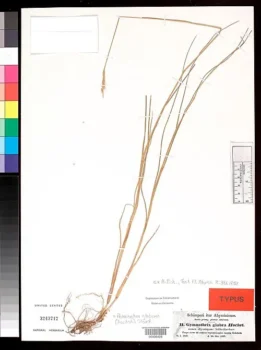
Pennisetum schimperi: The Mysterious African Fountain Grass
If you’ve stumbled across the name Pennisetum schimperi in your plant research, you’re likely wondering what exactly this grass is and whether it belongs in your garden. Well, you’re not alone in your curiosity – this particular member of the fountain grass family is something of an enigma in the gardening world.
What is Pennisetum schimperi?
Pennisetum schimperi is a graminoid – that’s garden-speak for a grass or grass-like plant. It belongs to the large Pennisetum genus, which includes the more familiar fountain grasses you might recognize from ornamental landscapes. However, unlike its popular cousins, this species remains largely mysterious to most gardeners and even many botanists.
Where Does It Come From?
Based on limited available information, Pennisetum schimperi appears to be native to parts of Eastern Africa, particularly regions around Ethiopia. However, its exact geographic distribution remains poorly documented in readily available horticultural literature.
The Challenge with This Grass
Here’s where things get interesting (and a bit frustrating): there’s remarkably little reliable information available about Pennisetum schimperi’s cultivation requirements, appearance, or garden performance. This lack of documentation presents several challenges:
- No established common name in horticultural trade
- Limited availability from nurseries or seed suppliers
- Unknown hardiness zones and growing requirements
- Unclear ornamental value or landscape applications
Should You Try to Grow It?
Given the scarcity of information about Pennisetum schimperi, it’s difficult to recommend for typical garden situations. Without knowing its invasive potential, hardiness requirements, or even basic care needs, attempting to grow this species could be more frustrating than rewarding.
Better Alternatives for Your Garden
If you’re drawn to fountain grasses, consider these well-documented native and non-invasive alternatives:
- Native bunch grasses specific to your region
- Little bluestem (Schizachyrium scoparium) for North American gardens
- Buffalo grass (Poaceae family natives) for appropriate climates
- Regional sedges that provide similar texture and movement
The Bottom Line
While Pennisetum schimperi may intrigue plant collectors and botanical enthusiasts, the lack of available cultivation information makes it an impractical choice for most gardeners. Your time and garden space are better invested in well-documented native grasses that will provide reliable performance, known wildlife benefits, and proven success in cultivation.
If you’re specifically researching this plant for academic or conservation purposes, consider contacting botanical institutions or herbarium collections that might have more specialized knowledge about this elusive grass species.