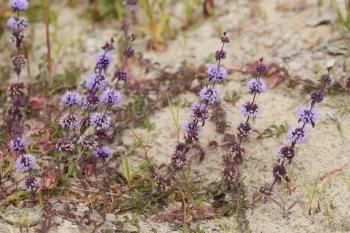
Pennyroyal: A Fragrant Ground Cover with Old-World Charm
If you’ve ever caught a whiff of intensely minty fragrance wafting from a low-growing carpet of tiny purple flowers, you might have encountered pennyroyal (Mentha pulegium). This perennial herb has been charming gardeners for centuries with its aromatic leaves and delicate blooms, though it comes with both benefits and considerations worth knowing about.
What Is Pennyroyal?
Pennyroyal is a low-growing perennial forb that belongs to the mint family. Unlike its taller mint cousins, this little powerhouse stays close to the ground, forming dense mats of aromatic foliage topped with whorls of small purple flowers. As a non-native species originally from the Mediterranean region, Europe, western Asia, and northern Africa, pennyroyal has made itself at home in various parts of North America.
Where Does Pennyroyal Grow?
You’ll find pennyroyal established in British Columbia, California, Hawaii, Maryland, New Jersey, Oregon, Pennsylvania, and Washington. This adaptable plant has naturalized in these areas, reproducing on its own without human intervention.
- Species observed
- No observations
The Appeal of Pennyroyal
What draws gardeners to pennyroyal? Several charming characteristics make it an interesting addition to the right garden:
- Intensely fragrant foliage that releases its scent when brushed against
- Delicate purple flowers arranged in attractive whorls
- Low-growing, mat-forming habit perfect for ground cover
- Pollinator-friendly blooms that attract bees and butterflies
- Historical significance as a traditional herb
Growing Conditions and Care
Pennyroyal is surprisingly easy to grow once you understand its preferences. This moisture-loving plant thrives in USDA hardiness zones 6-9 and has some specific needs:
Ideal Growing Conditions
- Moisture: Prefers consistently moist to wet soils – it’s classified as an obligate wetland plant in most regions
- Light: Full sun to partial shade
- Soil: Tolerates poor soils as long as moisture is adequate
- Location: Perfect for water garden edges, bog gardens, or naturally wet areas
Planting and Maintenance Tips
Growing pennyroyal successfully requires attention to its spreading nature and water needs:
- Plant in spring after the last frost
- Ensure consistent moisture – never let it dry out completely
- Be prepared for its aggressive spreading habit
- Consider container growing to control spread
- Regular harvesting can help manage growth
Garden Design Ideas
Pennyroyal works well in several garden settings:
- Herb gardens where its historical significance adds interest
- Water feature edges where it can access consistent moisture
- Naturalized wet areas where spreading is less concerning
- Aromatic gardens for its intense fragrance
Things to Consider
While pennyroyal has its charms, there are important factors to consider before planting. As a non-native species, it can be quite aggressive in spreading, potentially outcompeting native plants in wet areas. Its vigorous growth habit means it may require regular management to prevent it from taking over your garden.
For gardeners interested in supporting native ecosystems, consider exploring native alternatives that provide similar benefits. Native mints like wild mint (Mentha canadensis) or native ground covers suited to wet areas might offer comparable aesthetic appeal while supporting local wildlife and maintaining ecological balance.
Wildlife and Pollinator Benefits
Pennyroyal does offer some benefits to pollinators, producing small flowers that attract bees and butterflies. However, native plants typically provide more comprehensive support for local wildlife, offering not just nectar but also host plants for butterfly larvae and seeds for birds.
The Bottom Line
Pennyroyal can be a fragrant and attractive addition to the right garden, particularly for those interested in historical herbs or needing ground cover for wet areas. However, its aggressive spreading nature and non-native status mean it requires thoughtful placement and management. If you choose to grow it, consider container planting or very controlled garden situations, and always be mindful of preventing its escape into natural wetland areas where it might impact native plant communities.
Whether you decide to grow pennyroyal or explore native alternatives, understanding its characteristics and needs will help you make the best choice for your garden and local environment.