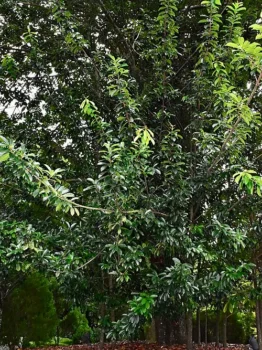
Pentadesma: The Tropical African Giant You Probably Can’t (and Shouldn’t) Grow
Ever stumbled across the name pentadesma and wondered what the heck it is? You’re not alone! This mysterious plant name refers to a genus of massive tropical trees that most gardeners will never encounter in person – and that’s probably for the best. Let’s dive into why Pentadesma might catch your curiosity but won’t be making it into your backyard anytime soon.
What Exactly Is Pentadesma?
Pentadesma is a genus of large tropical trees belonging to the Clusiaceae family (think St. John’s wort relatives, but supersized). These aren’t your typical garden-center finds – we’re talking about towering African forest giants that can reach impressive heights with buttressed trunks that would make a redwood jealous.
The most well-known species, Pentadesma butyracea, is sometimes called the tallow tree or butter tree because of the oil extracted from its seeds. But don’t get any ideas about growing your own butter tree – these beauties are strictly tropical affairs.
Where Do These Giants Call Home?
Pentadesma species are native to the tropical rainforests of West and Central Africa, including countries like Ghana, Ivory Coast, Cameroon, Gabon, Nigeria, and the Democratic Republic of Congo. They’re perfectly adapted to hot, humid climates with consistent rainfall – basically the opposite of most North American growing conditions.
Why You Probably Don’t Want to Grow Pentadesma
Before you start dreaming of your own tropical forest, let’s get real about why Pentadesma isn’t garden material:
- Size matters: These trees grow absolutely massive, requiring acres of space
- Climate demands: Only suitable for USDA zones 11-12 (think southern Florida or Hawaii)
- Availability issues: Nearly impossible to find in cultivation
- Growing complexity: Requires specific tropical conditions that are hard to replicate
- Time commitment: Extremely slow-growing, taking decades to mature
What About Native Alternatives?
Instead of chasing after this African giant, why not consider some fantastic native trees that’ll actually thrive in your climate? Depending on where you live, you might explore:
- Southern regions: Live oak, bald cypress, or southern magnolia
- Northern areas: White oak, sugar maple, or American basswood
- Western climates: Coast redwood, valley oak, or Oregon white oak
These native options will provide better wildlife habitat, require less maintenance, and actually have a fighting chance in your local climate.
The Bottom Line on Pentadesma
While Pentadesma trees are undoubtedly impressive specimens in their native African habitats, they’re about as practical for the average gardener as keeping a giraffe as a pet. They’re fascinating from a botanical perspective and play important ecological roles in their native ecosystems, but they’re simply not suited for cultivation in most gardens.
If you’re drawn to large, dramatic trees, stick with native species that will thrive in your area and support local wildlife. Your garden (and your neighbors) will thank you for choosing something that actually belongs in your neck of the woods rather than trying to recreate an African rainforest in your backyard.
Sometimes the most interesting plants are the ones we admire from afar – and Pentadesma is definitely one of those look but don’t touch botanical curiosities!