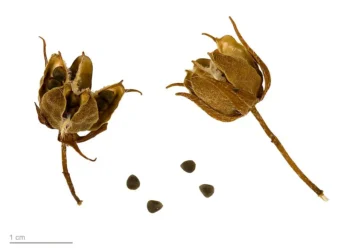
Pentapetes: A Lesser-Known Annual with Limited Garden Information
If you’ve stumbled upon the name pentapetes in your gardening research, you’re not alone in finding limited information about this mysterious plant. Pentapetes is an annual forb that falls into the category of herbaceous plants—those without significant woody tissue that die back each year.
What We Know About Pentapetes
Pentapetes belongs to the group of plants known as forbs, which are essentially non-woody flowering plants. As an annual, this plant completes its entire life cycle within one growing season, from seed to flower to seed production, before dying back.
The plant is classified as non-native to Puerto Rico, where it has been introduced and now reproduces spontaneously in the wild. This means it can establish itself without human intervention and persist in the local ecosystem.
- Species observed
- No observations
The Challenge with Growing Pentapetes
Here’s where things get tricky for gardeners: there’s remarkably little readily available information about Pentapetes’ specific growing requirements, appearance, or garden performance. This lack of documentation makes it difficult to provide concrete advice about:
- Specific growing conditions it prefers
- How tall or wide it grows
- What its flowers look like
- When it blooms
- Its value to pollinators or wildlife
- Appropriate USDA hardiness zones
Should You Plant Pentapetes?
Given the limited information available about this plant’s garden performance and ecological impact, it might be wise to consider better-documented alternatives. While Pentapetes isn’t listed as invasive or noxious, the uncertainty around its characteristics makes it a risky choice for most gardeners.
Consider Native Alternatives Instead
Rather than gambling on a plant with unknown qualities, consider exploring well-documented native annuals for your region. Native plants offer several advantages:
- Proven track records in local growing conditions
- Known benefits to local wildlife and pollinators
- Extensive growing guides and care information
- Support for local ecosystems
The Bottom Line
While Pentapetes might have its place in certain specialized gardens or collections, the lack of available growing information makes it challenging to recommend for most gardening situations. If you’re determined to experiment with lesser-known plants, ensure you have a reliable source and consider starting small to test how it performs in your specific conditions.
For most gardeners, focusing on well-documented native alternatives will provide more reliable results and greater ecological benefits. Your local extension office or native plant society can help you identify excellent annual options that are proven performers in your area.