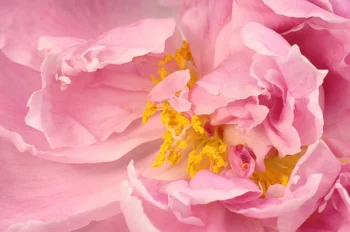
Peonies: The Beloved Garden Classic Worth Growing (With Some Caveats)
Few flowers capture the hearts of gardeners quite like peonies. These showstopping perennials have been gracing gardens for centuries with their enormous, often fragrant blooms and lush foliage. But before you rush to plant these beauties, let’s explore what makes peonies special and whether they deserve a spot in your garden.
What Exactly Are Peonies?
Peonies (Paeonia) are herbaceous perennial plants that belong to a group called forbs – essentially non-woody plants that die back to the ground each winter and return stronger each spring. These garden stalwarts can live for decades once established, making them a true investment in your landscape’s future.
The Native Status Question
Here’s where things get a bit complicated. While peonies have naturalized in parts of Canada and can reproduce on their own in the wild, their native status in the lower 48 United States is less clear. You’ll find established populations scattered across states from California to Vermont, but many of these are likely garden escapees rather than truly native populations.
Currently, peonies can be found growing in California, Ontario, Idaho, Kentucky, Massachusetts, Montana, Nevada, New York, Oregon, Pennsylvania, Utah, Vermont, Washington, West Virginia, and Wyoming.
- Species observed
- No observations
Why Gardeners Love Peonies
Despite their murky native status, peonies have earned their place in American gardens for several compelling reasons:
- Spectacular blooms: Those dinner-plate-sized flowers are absolutely breathtaking
- Longevity: A well-placed peony can outlive the gardener who planted it
- Low maintenance: Once established, they’re remarkably self-sufficient
- Pollinator friendly: Bees and other beneficial insects love peony flowers
- Cut flower potential: Perfect for gorgeous bouquets
Garden Design and Landscape Role
Peonies work beautifully as specimen plants, where their dramatic blooms can take center stage. They’re also fantastic in perennial borders, cottage gardens, and traditional landscape designs. Their sturdy stems and attractive foliage provide structure even when they’re not in bloom.
Growing Conditions and Care
Peonies are surprisingly easy to please once you understand their preferences:
- Sunlight: Full sun to partial shade (at least 6 hours of direct sun)
- Soil: Well-draining soil is absolutely crucial – they hate wet feet
- Climate: Most varieties thrive in USDA hardiness zones 3-8
- Spacing: Give them room to breathe – good air circulation prevents disease
Planting and Care Tips
The secret to peony success lies in proper planting:
- Timing: Plant in fall for best results
- Depth: This is crucial – plant the crown no more than 2 inches below soil surface
- Patience: Don’t expect much the first year; peonies need time to establish
- Fertilizing: A light application of compost in spring is usually sufficient
- Deadheading: Remove spent blooms, but leave foliage until fall
The Native Alternative Angle
While peonies aren’t problematic plants, gardeners interested in supporting local ecosystems might consider native alternatives that provide similar garden impact. Depending on your region, native options might include wild bergamot, purple coneflower, or native asters – all of which offer showy blooms and excellent wildlife benefits.
Should You Plant Peonies?
If you love the look of peonies and can provide their preferred growing conditions, there’s no compelling reason to avoid them. They’re not invasive, they support pollinators, and they bring decades of beauty to the landscape. Just remember that patience is key – good things come to those who wait, and peonies are definitely worth the wait.
Whether you choose peonies or native alternatives, the most important thing is creating a garden that brings you joy while supporting the broader ecosystem. Sometimes that means the perfect plant for your space happens to be a well-behaved non-native that’s been part of American gardening tradition for generations.