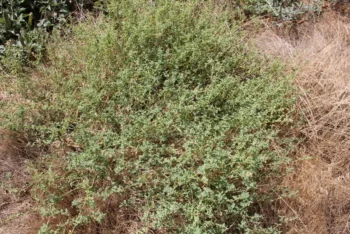
Peregrine Saltbush: An Unassuming Annual That’s Made Itself at Home
Meet the peregrine saltbush (Atriplex suberecta), a small annual plant that’s quietly established itself across parts of the American West and Hawaii. While it might not win any beauty contests, this humble herb has some interesting characteristics that make it worth understanding, especially if you’re curious about the plants that pop up uninvited in gardens and disturbed areas.
What Exactly Is Peregrine Saltbush?
Peregrine saltbush is a non-native annual that originally hails from Europe and Asia but has made itself quite comfortable in California and Hawaii. As its name suggests, this plant belongs to the saltbush family and has a particular fondness for areas where other plants might struggle. It’s one of those plants that gardeners typically encounter rather than intentionally plant.
Where You’ll Find It Growing
Currently, peregrine saltbush has established populations in California and Hawaii, where it reproduces on its own and persists without any human help. It’s particularly fond of disturbed soils, waste areas, and places where the ground has been churned up.
- Species observed
- No observations
The Look and Feel
Don’t expect peregrine saltbush to steal the show in terms of visual appeal. This is a modest little annual that typically grows as a small herb with simple leaves and tiny, greenish flowers that are easily overlooked. The flowers are wind-pollinated, which means they don’t need to be showy to attract pollinators—they just release their pollen into the breeze and hope for the best.
Growing Conditions and Habitat Preferences
One of the most notable things about peregrine saltbush is its resilience. According to wetland status classifications, it’s considered Facultative Upland across the Arid West, Hawaii, and Western Mountains regions, meaning it usually prefers non-wetland areas but can tolerate some moisture when necessary.
This plant thrives in:
- Poor, disturbed soils
- Areas with salt content that might stress other plants
- Dry conditions once established
- Sites with minimal competition from other vegetation
Should You Plant Peregrine Saltbush?
Here’s the thing about peregrine saltbush: it’s not really a plant that most gardeners seek out intentionally. While it’s not listed as invasive or noxious, it’s also not particularly ornamental or beneficial to wildlife in ways that would make it a garden star.
If you’re looking for plants that can handle tough, salty conditions, you’d probably be better served by native alternatives that offer more ecological benefits and visual interest. Native saltbush species like fourwing saltbush (Atriplex canescens) or other regional natives would provide better habitat for local wildlife while filling similar ecological niches.
Wildlife and Ecological Role
While specific wildlife benefits for peregrine saltbush aren’t well-documented, most saltbush species provide some value as browse for wildlife and can help stabilize disturbed soils. However, native species in your area would likely provide much more significant benefits to local ecosystems and wildlife populations.
The Bottom Line
Peregrine saltbush is one of those plants that’s more interesting from an ecological perspective than a gardening one. It demonstrates how plants can adapt and establish themselves in new environments, particularly in disturbed areas where few other species can get a foothold. While there’s nothing wrong with appreciating this little survivor, gardeners looking to support local ecosystems and create beautiful landscapes would be wise to focus on native species that offer greater benefits to both wildlife and garden aesthetics.
If you’re dealing with challenging growing conditions similar to what peregrine saltbush tolerates, consider researching native plants in your region that can handle poor soils and drought conditions—you’ll likely find options that are both more beautiful and more beneficial to your local environment.