Perennial Bastardcabbage: A Non-Native Forb You Might Encounter
If you’ve stumbled across a plant called perennial bastardcabbage (Rapistrum perenne) in your gardening research, you’re probably wondering what exactly this oddly-named species is all about. While the name might raise a few eyebrows, this perennial forb has an interesting story – though it’s probably not the best choice for your native garden.
What is Perennial Bastardcabbage?
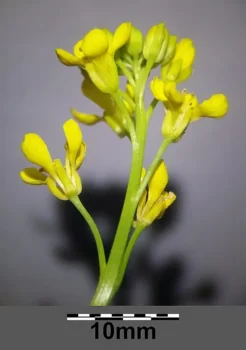
Perennial bastardcabbage is a non-woody perennial plant that belongs to the mustard family. As a forb, it lacks significant woody tissue and maintains perennating buds at or below ground level, allowing it to return year after year. The plant produces small yellow flowers in clusters, typically blooming from spring to early summer, with branching stems and lobed leaves that give it a somewhat weedy appearance.
Where Does It Come From?
Originally native to Europe and western Asia, particularly the Mediterranean region, Rapistrum perenne has found its way to North America. In Canada, it’s been recorded in Saskatchewan, where it’s classified as a waif – meaning it’s an ephemeral, non-native species that was introduced but hasn’t become persistently naturalized.
- Species observed
- No observations
Should You Plant It in Your Garden?
Here’s where things get a bit complicated. While perennial bastardcabbage isn’t known to be invasive or noxious, its non-native status means it doesn’t provide the same ecological benefits as native plants. The small yellow flowers may attract some pollinators, but native alternatives would serve your local ecosystem much better.
If you’re looking for native plants with similar characteristics, consider these alternatives instead:
- Wild mustard species native to your region
- Native members of the Brassicaceae (mustard) family
- Local wildflowers that provide better habitat for native wildlife
Growing Conditions and Hardiness
Should you encounter this plant in the wild or decide to observe it, perennial bastardcabbage is quite adaptable. It tolerates poor soils, drought conditions, and disturbed areas, preferring full sun locations. Based on its presence in Saskatchewan and European origins, it likely thrives in USDA hardiness zones 3-8.
The Bottom Line
While perennial bastardcabbage isn’t necessarily harmful to your garden, it’s not the most exciting or beneficial choice for native plant enthusiasts. Its weedy appearance and limited ornamental value, combined with its non-native status, make it better suited for botanical curiosity rather than intentional cultivation.
Instead of seeking out this European transplant, why not explore the wonderful world of native plants in your area? Your local wildlife – from pollinators to birds – will thank you for choosing species that have co-evolved with your ecosystem. Plus, you’ll likely find native alternatives that are just as hardy and far more beneficial to your local environment.
Remember, every plant choice in your garden is an opportunity to support native biodiversity. While perennial bastardcabbage might survive in your landscape, native plants will truly thrive and contribute to a healthier ecosystem right in your backyard.