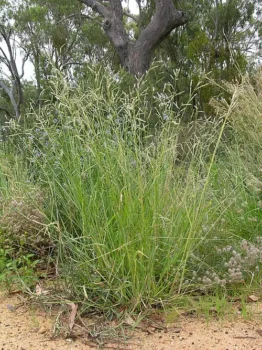
Perennial Cupgrass: A Lesser-Known Grass with Limited Garden Applications
If you’ve stumbled upon the name perennial cupgrass in your gardening research, you might be wondering what this mysterious grass is all about. Despite its intriguing common name, Eriochloa pseudoacrotricha is one of those plants that seems to fly under the radar in most gardening circles – and for good reason.
What Exactly Is Perennial Cupgrass?
Here’s where things get a bit confusing right off the bat. Despite being called perennial cupgrass, this species is actually classified as an annual, meaning it completes its entire life cycle in just one growing season. Talk about a misleading common name! This grass belongs to the same family as more familiar lawn and ornamental grasses, characterized by its grass-like growth pattern and structure.
Perennial cupgrass is also known by the synonym Eriochloa ramosa var. pseudoacrotricha, though you’re unlikely to encounter either name at your local nursery.
Where Does It Come From and Where Does It Grow?
This grass species is not native to North America – it’s what botanists call a naturalized plant, meaning it was introduced from elsewhere but has established itself in the wild without human intervention. Currently, it’s been documented growing in Texas, though its exact native origins aren’t well-documented in readily available sources.
- Species observed
- No observations
Should You Grow Perennial Cupgrass in Your Garden?
Here’s the honest truth: there’s very little information available about this grass’s ornamental value, growing requirements, or garden performance. This lack of documentation usually means one of two things – either it’s not particularly noteworthy as a garden plant, or it’s simply too obscure to have caught the attention of horticultural experts.
Since this is a non-native species with unknown invasive potential, and given the limited information about its garden merit, most gardeners would be better served by exploring well-documented native grass alternatives.
Better Native Alternatives
If you’re looking for native grasses that offer proven garden value, consider these Texas natives instead:
- Buffalo grass (Bouteloua dactyloides) – excellent for low-maintenance lawns
- Little bluestem (Schizachyrium scoparium) – beautiful ornamental with seasonal color
- Gulf muhly (Muhlenbergia capillaris) – stunning pink plumes in fall
- Inland sea oats (Chasmanthium latifolium) – attractive seed heads and shade tolerance
The Bottom Line
While perennial cupgrass might be growing wild in parts of Texas, it doesn’t appear to offer compelling reasons for intentional cultivation. The gardening world is full of well-documented, beautiful native grasses that provide clear benefits to both gardeners and local ecosystems. When in doubt, it’s usually best to stick with the tried-and-true natives that support local wildlife and have proven garden performance.
If you’re curious about unusual grasses, consider visiting local prairies or natural areas to observe them in their naturalized settings rather than bringing them into your carefully planned garden space.