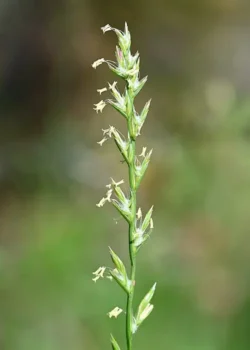
Perennial Ryegrass: The Reliable Lawn Grass with a Global Passport
If you’ve ever admired a lush, green lawn or wondered what makes some sports fields so durable, chances are you’ve encountered perennial ryegrass (Lolium perenne). This hardy grass has become a staple in American landscapes, though it’s actually a world traveler that originated far from our shores.
What Is Perennial Ryegrass?
Perennial ryegrass is a cool-season bunch grass that forms dense, fine-textured turf. Despite its name suggesting it’s a perennial, this grass can actually behave as either an annual or perennial depending on growing conditions. It’s a member of the grass family (Poaceae) and grows in characteristic clumps rather than spreading by runners.
This grass reaches a mature height of about 3.5 feet when left unmowed, though most gardeners keep it much shorter for lawn use. Its rapid growth rate and moderate regrowth after mowing make it a popular choice for high-traffic areas.
A Non-Native Success Story
Here’s where things get interesting: perennial ryegrass isn’t native anywhere in North America. Originally from Europe, Asia, and northern Africa, this adaptable grass has made itself at home across the continent. You’ll find it growing in every U.S. state, all Canadian provinces, and even in Alaska, Hawaii, and Puerto Rico. It reproduces on its own in the wild and has become a naturalized part of many landscapes.
- Species observed
- No observations
Why Gardeners Choose Perennial Ryegrass
There are several reasons why this non-native grass has become so popular:
- Rapid establishment: Seeds germinate quickly and establish fast
- High traffic tolerance: Perfect for busy lawns and play areas
- Fine texture: Creates an attractive, dense appearance
- Cool-season growth: Stays green during spring and fall when other grasses struggle
- Versatile use: Works in lawns, erosion control, and overseeding projects
Growing Conditions and Care
Perennial ryegrass is somewhat particular about its growing conditions. Here’s what it needs to thrive:
Soil Requirements: This grass prefers medium to fine-textured soils and won’t tolerate coarse, sandy conditions well. It grows best in soil with a pH between 5.0 and 8.0 and can handle moderate levels of salt.
Water and Climate Needs: Don’t expect this grass to survive drought conditions. It has high moisture requirements and low drought tolerance. The grass needs areas with 30-65 inches of annual precipitation and at least 100 frost-free days.
Light Requirements: Full sun is essential – perennial ryegrass is shade intolerant and won’t perform well under trees or in partially shaded areas.
Hardiness: Hardy in USDA zones 3-9, tolerating temperatures down to -18°F.
Planting and Maintenance Tips
Getting perennial ryegrass established requires attention to timing and care:
- Best planting time: Spring and fall when the grass is actively growing
- Seeding rate: With about 240,400 seeds per pound, a little goes a long way
- Soil preparation: Ensure good soil contact and adequate fertility – this grass has high nutrient requirements
- Watering: Keep consistently moist during establishment and throughout the growing season
- Fertilization: Regular feeding is necessary due to high fertility requirements
Ecological Considerations
While perennial ryegrass creates beautiful lawns, it’s worth considering its ecological impact. As a non-native species, it doesn’t provide the same wildlife benefits as native grasses. It’s wind-pollinated, so it offers little value to pollinators like bees and butterflies.
The grass typically grows in upland areas rather than wetlands, though it can occasionally appear in moist locations depending on the region.
Native Alternatives to Consider
If you’re interested in supporting local ecosystems while still having an attractive lawn, consider these native grass alternatives:
- Buffalo grass (Poaceae family) – drought-tolerant and native to the Great Plains
- Fine fescue species – some native varieties offer similar fine texture
- Native sedge species – for areas that don’t need traditional turf
The Bottom Line
Perennial ryegrass delivers reliable performance for traditional lawn applications, especially in high-traffic areas that need quick establishment. While it’s not native and requires significant water and fertilizer inputs, it’s not considered invasive or harmful to local ecosystems. Whether you choose this dependable grass or opt for native alternatives, success depends on matching the plant to your specific site conditions and maintenance capabilities.
Remember, the best grass for your garden is one that thrives in your local conditions while meeting your aesthetic and functional needs – whether that’s a globe-trotting grass like perennial ryegrass or a homegrown native species.