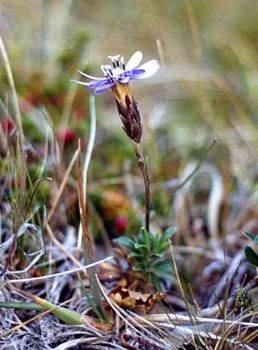
Perezia: What You Need to Know About This Uncommon Annual
If you’ve stumbled across the name perezia in your gardening research, you’re not alone in wondering what exactly this plant is all about. Perezia is one of those plants that doesn’t show up in every gardening guide, and for good reason – there’s quite a bit of mystery surrounding this particular species.
What is Perezia?
Perezia is an annual forb, which is just a fancy way of saying it’s a soft-stemmed herbaceous plant that completes its entire life cycle in one growing season. Unlike woody shrubs or trees, forbs like perezia have tender, non-woody stems and typically die back completely each year, relying on seeds to continue their lineage.
Where Does Perezia Grow?
Currently, perezia has been documented growing in Massachusetts, though its presence appears to be quite limited. As a non-native species that was introduced to North America, it has managed to establish itself and reproduce without human intervention in this region.
- Species observed
- No observations
Should You Plant Perezia in Your Garden?
Here’s where things get a bit tricky. While perezia isn’t currently listed as invasive or noxious, the lack of comprehensive information about this plant raises some important considerations:
- Its growth habits and potential spread patterns aren’t well-documented
- Its impact on local ecosystems remains unclear
- Specific growing requirements are largely unknown
- Its benefits to pollinators and wildlife are undetermined
A Better Alternative: Choose Native Plants
Given the uncertainty surrounding perezia and its non-native status, you might want to consider native alternatives that will provide guaranteed benefits to your local ecosystem. Native annual forbs can offer:
- Reliable support for local pollinators and wildlife
- Adaptation to your regional growing conditions
- No risk of unexpected invasive behavior
- Well-documented care requirements
Consider reaching out to your local native plant society or cooperative extension office for recommendations on native annual forbs that would thrive in your specific location and provide the garden benefits you’re seeking.
The Bottom Line
While perezia might sound intriguing, sometimes the most responsible gardening choice is to stick with what we know works well. Native plants offer the best guarantee of supporting your local ecosystem while providing you with a beautiful, thriving garden. When in doubt, going native is rarely the wrong choice!
If you’re determined to learn more about perezia, consider contacting botanical experts or universities in Massachusetts where this plant has been documented – they might have additional insights about this mysterious annual.