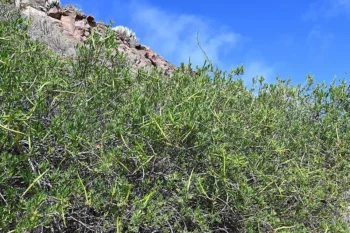
Periploca: The Climbing Vine That’s Not Quite What It Seems
If you’ve stumbled across the name periploca while browsing plant catalogs or wandering through garden centers, you might be wondering what exactly this mysterious climbing vine is all about. Well, grab a cup of coffee and let’s dive into the world of Periploca – a perennial vine that’s more complex than its simple name suggests.
What Exactly Is Periploca?
Periploca is a climbing, twining vine that knows how to make itself at home. This perennial plant features relatively long stems that can be either woody or herbaceous, depending on the growing conditions and age of the plant. Think of it as nature’s version of a flexible climber – it can adapt its structure as needed to reach for the sky.
The vine produces small, often fragrant flowers that typically come in purple or greenish hues, followed by distinctive seed pods that release silky, feathery seeds. It’s these unique seed pods that often catch gardeners’ attention and make Periploca a conversation starter in any garden.
Where Does Periploca Call Home?
Here’s where things get interesting: Periploca isn’t actually native to North America. Originally from Mediterranean regions and parts of Asia and Africa, this vine has made itself quite comfortable in various parts of the United States. It’s what botanists call a naturalized species – meaning it reproduces spontaneously in the wild without human help and has established persistent populations.
Currently, you can find Periploca growing in Connecticut, Kansas, New Jersey, New York, North Carolina, Oklahoma, Pennsylvania, Rhode Island, Tennessee, and Texas. It’s clearly not picky about where it sets up shop!
- Species observed
- No observations
Should You Grow Periploca in Your Garden?
This is where gardeners need to put on their thinking caps. While Periploca isn’t specifically flagged as invasive, its ability to naturalize and spread should give you pause. Here are some things to consider:
The Good Stuff:
- Attractive, fragrant flowers that pollinators enjoy
- Unique seed pods add visual interest
- Drought tolerant once established
- Provides vertical interest in Mediterranean-style or cottage gardens
- Relatively low maintenance
The Not-So-Good Stuff:
- Non-native status means it doesn’t support local ecosystems as well as native plants
- Tendency to spread and naturalize
- Can potentially outcompete native species
Growing Periploca Successfully
If you decide to give Periploca a try, here’s what you need to know to keep it happy:
Growing Conditions:
- Sunlight: Full sun to partial shade
- Soil: Well-drained soil is essential
- Water: Drought tolerant once established, but regular watering helps during establishment
- Climate: Generally hardy in USDA zones 7-10
Planting and Care Tips:
- Plant in spring after the last frost
- Provide sturdy support like trellises, arbors, or fences
- Space plants adequately to allow for climbing growth
- Prune as needed to control growth and prevent excessive spread
- Monitor for self-seeding and remove unwanted seedlings
Native Alternatives to Consider
Before you commit to Periploca, why not consider some native climbing alternatives that will better support your local ecosystem? Native vines like American groundnut (Apios americana), crossvine (Bignonia capreolata), or native honeysuckles can provide similar vertical interest while supporting local wildlife and pollinators.
The Bottom Line
Periploca is an interesting plant with attractive features, but its non-native status and naturalizing tendencies make it worth approaching with caution. If you do choose to grow it, be a responsible gardener by monitoring its spread and preventing it from escaping into natural areas. And don’t forget to give serious consideration to native alternatives that can provide similar benefits while supporting your local ecosystem.
Remember, every plant choice we make in our gardens has an impact beyond our property lines. Choose wisely, and happy gardening!