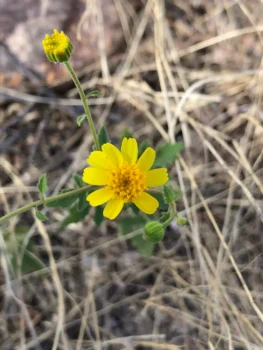
Perityle californica: A Hidden Gem for California Native Plant Enthusiasts
If you’re on the hunt for an underappreciated native California wildflower that thrives with minimal fuss, let me introduce you to Perityle californica. This charming little member of the sunflower family might not have a catchy common name, but it certainly deserves a spot in the right garden setting.
What Makes Perityle californica Special?
Perityle californica is one of those plants that proves good things come in small packages. This delicate wildflower produces tiny white daisy-like blooms with bright yellow centers that create a cloud-like effect when planted in groups. While it may not be the showstopper of your garden, it brings a subtle elegance that pairs beautifully with other native California plants.
You might occasionally see this plant listed under its synonym, Perityle plumigera, but rest assured – it’s the same lovely species either way.
Where Does It Call Home?
This California native has carved out its niche in the southwestern United States, with its primary range extending through California and into Baja California. It’s perfectly adapted to the Mediterranean climate and challenging growing conditions that define much of this region.
Why You Might Want to Grow It
Perityle californica is an excellent choice for gardeners who:
- Want to support local ecosystems with true native plants
- Are creating water-wise or drought-tolerant landscapes
- Love rock gardens or container gardening
- Appreciate subtle, naturalistic beauty over flashy blooms
- Want to attract small native bees and beneficial insects
Growing Conditions and Care
The beauty of Perityle californica lies in its simplicity. This little trooper is built for California’s challenging conditions and actually prefers them!
Sunlight: Full sun is essential for the best flowering and compact growth habit.
Soil: Well-draining soil is absolutely crucial. This plant cannot tolerate waterlogged conditions and will quickly succumb to root rot in heavy, clay soils.
Water: Once established, Perityle californica requires very little supplemental watering. In fact, too much water can be detrimental to its health.
Climate: Best suited for USDA hardiness zones 9-11, this plant thrives in areas with warm, dry summers and mild winters.
Perfect Garden Settings
Perityle californica shines in specialized garden situations. It’s absolutely perfect for rock gardens where its delicate texture can be appreciated up close. Container growing is another excellent option, especially if you want to showcase it on a patio or deck where its subtle charm won’t get lost among larger plants.
This species also works wonderfully in native plant collections and xerophytic garden designs, where it can mingle with other drought-adapted California natives.
Planting and Care Tips
Getting started with Perityle californica is refreshingly straightforward:
- Plant in spring after the last frost date
- Ensure excellent drainage by amending heavy soils with coarse sand or gravel
- Space plants appropriately to allow for good air circulation
- Water sparingly during the first growing season, then reduce to minimal irrigation
- Collect seeds when flower heads are dry for easy propagation
- Avoid fertilizing – this plant prefers lean, nutrient-poor soils
Supporting Local Wildlife
While small in stature, Perityle californica plays an important role in supporting local ecosystems. Its flowers attract various small native bees and other beneficial insects that are crucial for pollinating both wild plants and garden crops. By including this species in your landscape, you’re contributing to the health of your local environment.
Is This Plant Right for You?
Perityle californica isn’t for every garden or every gardener. If you’re looking for bold, colorful displays or plants that thrive with regular watering, this probably isn’t your best choice. However, if you appreciate the subtle beauty of California’s native flora and want a truly low-maintenance addition to specialized garden areas, this little gem could be exactly what you’re seeking.
Remember, successful native gardening often means thinking beyond the typical garden center offerings and embracing plants that are perfectly suited to your local conditions. Perityle californica embodies this philosophy beautifully – small, specialized, and absolutely perfect for the right situation.