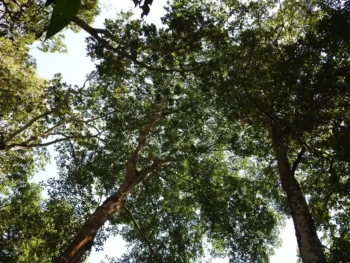
Peruvian Almond: A Tropical Shade Tree Worth Considering
If you’re looking for a substantial shade tree that can handle tropical heat while providing year-round beauty, the Peruvian almond (Terminalia oblonga) might catch your eye. This impressive tree brings South American flair to warm-climate gardens, though it comes with some important considerations for conscientious gardeners.
What is the Peruvian Almond?
The Peruvian almond is a large, perennial tree that can tower over 15 feet tall with a broad, spreading canopy. Despite its common name, this tree isn’t actually related to true almonds – it gets its name from its almond-shaped fruits. As a member of the Terminalia genus, it’s built for tropical life with a sturdy single trunk and expansive crown that provides excellent shade.
Where Does It Come From?
Originally hailing from South America – particularly Peru, Ecuador, Colombia, and Venezuela – this tree has found its way to other tropical regions. In the United States, you’ll find it naturalized in Puerto Rico, where it has established itself quite successfully after being introduced.
- Species observed
- No observations
The Good, The Bad, and The Beautiful
Let’s be upfront: the Peruvian almond isn’t native to most U.S. gardens. In Puerto Rico, it’s considered a non-native species that reproduces on its own in the wild. While it’s not currently listed as invasive, this is something environmentally conscious gardeners should consider.
That said, this tree does offer some appealing qualities:
- Impressive size and stately presence in the landscape
- Excellent shade provider for hot climates
- Attractive foliage that adds tropical character
- Small flowers that can attract pollinators
- Relatively low maintenance once established
Growing Conditions and Care
If you decide to grow a Peruvian almond, you’ll need to live in USDA hardiness zones 10-12 – this tree simply won’t tolerate cold temperatures. Here’s what it needs to thrive:
- Climate: Tropical to subtropical conditions year-round
- Sunlight: Full sun for best growth
- Soil: Well-draining soil (it’s not picky about soil type)
- Water: Regular watering when young, becomes drought-tolerant with age
- Space: Plenty of room to spread – this isn’t a tree for small yards
Planting and Care Tips
Young Peruvian almond trees need some TLC to get established. Plant in spring after any chance of cold weather has passed. Water regularly during the first few years, but don’t overdo it – soggy soil can cause problems. Once mature, these trees are quite drought-tolerant and require minimal care beyond occasional pruning to remove dead branches.
Should You Plant One?
The decision to plant a Peruvian almond depends on your gardening philosophy and location. If you’re in a suitable climate zone and looking for a large shade tree, it can certainly fill that role. However, consider exploring native alternatives first – they’ll provide similar benefits while supporting local ecosystems and wildlife.
For gardeners in Florida, consider native options like Live Oak or Bald Cypress. In Hawaii, look into native species like Koa or ʻŌhiʻa. These native alternatives often provide better wildlife habitat and require less water once established.
If you do choose to plant a Peruvian almond, be a responsible gardener: monitor it for aggressive spreading, and consider removing any seedlings that pop up beyond your intended planting area. Remember, today’s ornamental can become tomorrow’s invasive species if we’re not careful.