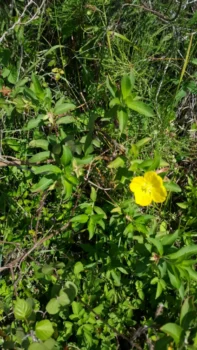
Peruvian Primrose-Willow: A Bright Addition to Your Water Garden
If you’re looking to add a splash of sunny yellow to your wetland garden or pond edge, Peruvian primrose-willow (Ludwigia peruviana) might just catch your eye. This cheerful perennial herb brings months of bright blooms to water-loving garden spaces, though it comes with some considerations worth knowing about.
What Is Peruvian Primrose-Willow?
Peruvian primrose-willow is a non-native perennial herb that has made itself at home in several southeastern states. Originally from South America, this water-loving plant has established populations in Alabama, Florida, Georgia, Mississippi, Texas, and Puerto Rico. You might also see it listed under its botanical synonym, Jussiaea peruviana.
- Species observed
- No observations
As its name suggests, this isn’t a native North American species – it’s an introduced plant that has naturalized in our wetlands. While it’s not currently classified as invasive, its ability to reproduce and persist without human intervention means gardeners should consider native alternatives when possible.
Garden Appeal and Characteristics
What makes Peruvian primrose-willow appealing to gardeners is its reliable show of bright yellow flowers. These cheerful 4-5 petaled blooms appear from spring through fall, providing an extended season of color. The plant grows as an herbaceous perennial, meaning it lacks woody stems but returns year after year in suitable climates.
This plant is particularly well-suited for:
- Bog gardens and rain gardens
- Pond edges and water garden margins
- Wetland restoration projects
- Areas with consistently moist soil
Growing Conditions and Care
Peruvian primrose-willow is quite specific about its growing requirements – it’s what botanists call an obligate wetland plant, meaning it almost always occurs in wetland conditions. Here’s what it needs to thrive:
Water Requirements: This plant demands consistently moist to wet soil conditions. Think pond edges, stream banks, or that perpetually soggy spot in your yard where other plants struggle.
Light Needs: Full sun to partial shade works best, though it tends to flower more prolifically in brighter locations.
Climate Tolerance: Hardy in USDA zones 8-11, making it suitable for warmer regions where freezing temperatures are infrequent.
Soil Preferences: Thrives in wet, organic-rich soils typical of wetland environments.
Planting and Maintenance
Spring is the ideal time to establish Peruvian primrose-willow in your water garden. Once planted in suitable wet conditions, this low-maintenance perennial pretty much takes care of itself. The key is ensuring it never dries out – if you can provide consistent moisture or standing water, you’re set for success.
Wildlife and Pollinator Benefits
The bright yellow flowers aren’t just pretty to look at – they’re also valuable nectar sources for bees, butterflies, and other pollinators throughout the long blooming season. This extended flowering period makes it a reliable food source when many other plants have finished blooming.
Should You Plant It?
While Peruvian primrose-willow can be an attractive and functional addition to appropriate water gardens, consider native alternatives first. Native wetland plants like blue flag iris, cardinal flower, or native Ludwigia species will provide similar benefits while supporting local ecosystems more effectively.
If you do choose to grow Peruvian primrose-willow, keep it contained within your water garden area and monitor for any unwanted spread. Its ability to naturalize means it could potentially establish beyond your intended planting area if conditions are right.
Remember, the best garden choices support both your aesthetic goals and local wildlife – so explore native wetland options first, but don’t feel guilty if this cheerful yellow bloomer finds a perfect spot in your water-wise landscape design.