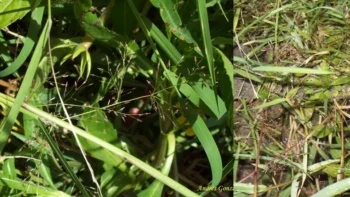
Peruvian Watergrass: An Aquatic Newcomer to American Wetlands
If you’ve ever wandered through wetlands in the southeastern United States and spotted an unfamiliar grass-like plant thriving in soggy conditions, you might have encountered Peruvian watergrass (Luziola peruviana). This South American native has quietly made itself at home in select corners of our continent, bringing its own unique character to wetland ecosystems.
What Exactly is Peruvian Watergrass?
Peruvian watergrass is a perennial, grass-like plant that belongs to the broader family of graminoid species—think grasses, sedges, and rushes. As its name suggests, this plant has strong ties to water, typically flourishing in wetland environments where many other plants would struggle.
This species falls into that interesting category of plants that are neither fully aquatic nor completely terrestrial. Instead, it’s what botanists call facultative wetland, meaning it usually prefers wet feet but can tolerate drier conditions when necessary.
Where You’ll Find It Growing
In the United States, Peruvian watergrass has established populations in Florida, Louisiana, and Texas. These locations make perfect sense when you consider the plant’s preference for warm, humid conditions and wetland habitats.
- Species observed
- No observations
While it’s not native to North America, this species has successfully naturalized in these regions, reproducing on its own and persisting in the wild without human intervention.
Should You Plant Peruvian Watergrass?
Here’s where things get a bit complicated. Peruvian watergrass isn’t currently listed as invasive or noxious, which means it’s not actively causing ecological harm that we know of. However, as a non-native species, it’s worth considering whether it’s the best choice for your garden.
The Case for Planting It:
- Thrives in challenging wetland conditions where other plants might fail
- Adds texture and interest to water gardens or bog areas
- Requires minimal care once established in suitable conditions
- Provides ground cover in wet areas
Things to Consider:
- Limited ornamental appeal compared to native alternatives
- Specialized growing requirements may limit its usefulness
- As a non-native, it may not provide the same ecological benefits as indigenous species
Native Alternatives Worth Considering
If you’re looking to create a stunning wetland garden that supports local ecosystems, consider these native alternatives that offer similar growing conditions and often superior wildlife value:
- Native sedges (Carex species)
- Wild rice (Zizania species)
- Native rushes (Juncus species)
- Switchgrass (Panicum virgatum) for slightly drier areas
Growing Peruvian Watergrass Successfully
If you decide to give Peruvian watergrass a try, success lies in understanding its love affair with water. This plant is happiest when its roots can access consistent moisture, making it perfect for:
- Rain gardens and bioswales
- Pond edges and water feature margins
- Naturally boggy areas of your landscape
- Container water gardens
Basic Care Requirements:
Moisture: Keep soil consistently moist to wet. This isn’t a plant that appreciates drought conditions.
Location: Choose a spot that receives adequate sunlight while maintaining wet soil conditions.
Soil: Tolerates various soil types as long as they retain moisture well.
Climate: Best suited for warm, humid climates similar to its current range in the southeastern United States.
The Bottom Line
Peruvian watergrass represents an interesting case study in plant naturalization. While it’s not causing known ecological problems, its limited ornamental value and specialized requirements make it a niche choice for most gardeners.
If you’re passionate about wetland gardening and looking for something unusual, it might be worth experimenting with. However, most gardeners will find greater satisfaction—and provide better ecological support—by choosing native wetland species that offer similar growing characteristics with added benefits for local wildlife.
Remember, the best gardens are those that work harmoniously with local ecosystems while bringing joy to the gardener. Whether that includes Peruvian watergrass depends on your specific goals, growing conditions, and environmental philosophy.