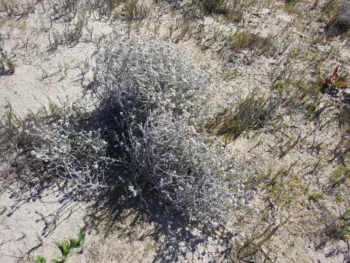
Petite Licorice: A Non-Native Shrub for California Gardens
If you’ve stumbled across the name petite licorice while browsing plant catalogs or wandering through nurseries, you might be curious about this somewhat mysterious shrub. Scientifically known as Plecostachys serpyllifolia, petite licorice is a perennial shrub that has found its way into California’s landscape, though it’s not originally from our neck of the woods.
What Exactly Is Petite Licorice?
Petite licorice is a multi-stemmed woody shrub that typically stays under 13-16 feet tall, making it a manageable size for most garden spaces. As a perennial, it’s built to stick around year after year, developing its woody structure over time. The plant has established itself in California, where it reproduces on its own without needing human intervention to spread.
Where You’ll Find It Growing
Currently, petite licorice has been documented growing in California, where it’s adapted to the local conditions. The plant tends to favor upland areas rather than wetlands, though it can occasionally pop up in wetter spots.
- Species observed
- No observations
The Native Plant Consideration
Here’s the thing about petite licorice – it’s not a California native. While it’s not currently flagged as invasive or problematic, choosing non-native plants means missing out on the incredible benefits that native species bring to our local ecosystems. Native plants have evolved alongside our local wildlife, providing exactly the right kind of food and habitat that our birds, butterflies, and beneficial insects need to thrive.
Better Native Alternatives
If you’re drawn to the idea of a manageable-sized shrub for your California garden, consider these fantastic native options instead:
- Ceanothus species (California lilac) – Beautiful flowering shrubs that support native pollinators
- Arctostaphylos species (Manzanita) – Elegant evergreen shrubs with stunning bark and flowers
- Ribes species (Currants and gooseberries) – Early-blooming shrubs that feed hummingbirds and butterflies
- Sambucus canadensis (Elderberry) – Multi-purpose shrub with edible berries and wildlife value
Growing Considerations
If you already have petite licorice in your garden or are considering it despite its non-native status, it appears to be relatively low-maintenance. The plant prefers upland conditions, meaning it doesn’t need consistently moist soil and can handle California’s drier periods reasonably well.
The Bottom Line
While petite licorice isn’t necessarily harmful to grow, it’s one of those plants that falls into the why not choose something better? category. California is blessed with an incredible diversity of native shrubs that are not only beautiful but also support our local ecosystems in ways that non-native plants simply can’t match.
When you plant native, you’re creating habitat, supporting biodiversity, and contributing to a landscape that truly belongs in California. Your garden becomes part of the solution, helping to sustain the wildlife that makes our state so special. So while petite licorice might seem like a fine choice, consider giving one of our amazing native alternatives a chance instead – your local birds and butterflies will thank you!