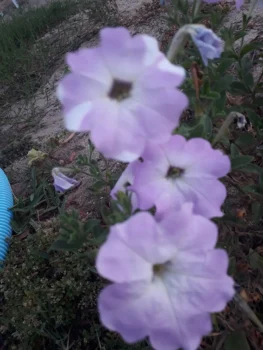
Growing Petunias: A Colorful Garden Staple Worth Considering
Few flowers are as instantly recognizable or as reliably cheerful as the humble petunia. Scientifically known as Petunia ×atkinsiana (and sometimes listed under the synonym Petunia ×hybrida), these vibrant bloomers have been brightening gardens and containers for generations. But before you fill your cart with these colorful beauties, let’s dig into what makes petunias tick and whether they deserve a spot in your landscape.
What Exactly Are Petunias?
Petunias are herbaceous flowering plants classified as forbs – essentially non-woody plants that put all their energy into producing those show-stopping blooms rather than building sturdy stems. They’re technically perennials in their native South American habitat, but most gardeners in North America treat them as annuals since they can’t survive our winters.
Here’s something interesting: the petunias we grow today are actually hybrids, created by crossing two South American species. This hybridization has given us the incredible variety of colors and forms we see in garden centers, from tiny cascading types to large, ruffled grandifloras.
Where Do Petunias Grow Wild?
While petunias originated in South America, these adaptable plants have naturalized across much of North America. You can find them growing wild – meaning they’ve escaped cultivation and reproduce on their own – in states spanning from Alabama to Wisconsin, and even into parts of Canada including Ontario and Quebec. They’ve established populations in Alabama, Arkansas, Florida, Georgia, Illinois, Kansas, Michigan, Minnesota, Mississippi, New Jersey, North Carolina, Ohio, Pennsylvania, South Carolina, Utah, and Wisconsin.
- Species observed
- No observations
The Appeal of Petunias
Let’s be honest – petunias are popular for good reason. These workhorses of the flower world offer:
- Continuous blooms from late spring until the first hard frost
- Trumpet-shaped flowers in virtually every color except true blue
- Versatility in containers, hanging baskets, and garden beds
- Relatively low maintenance once established
- Quick growth and immediate garden impact
Garden Roles and Landscape Uses
Petunias shine in several garden situations. They’re perfect for:
- Annual flower beds where you want reliable color
- Container gardens and window boxes
- Hanging baskets for cascading color
- Border plantings along walkways
- Mass plantings for dramatic impact
- Urban gardens where tougher plants are needed
Their forgiving nature makes them ideal for beginning gardeners, while their variety keeps experienced gardeners interested in trying new cultivars each season.
Growing Conditions and Care
Petunias are surprisingly adaptable, but they do have preferences. They thrive in:
- Light: Full sun to partial shade (at least 6 hours of direct sunlight)
- Soil: Well-draining soil that doesn’t stay soggy
- Water: Moderate moisture – not too wet, not too dry
- Temperature: Warm weather lovers that struggle in cool, wet conditions
In most of North America, petunias are grown as annuals, though gardeners in USDA zones 9-11 might see them return for a second year if winters are mild.
Planting and Care Tips
Success with petunias starts with timing and placement:
- Plant after all danger of frost has passed and soil has warmed
- Space plants 6-12 inches apart depending on the variety
- Deadhead spent blooms regularly to encourage continued flowering
- Pinch back leggy growth mid-season for bushier plants
- Feed regularly with a balanced fertilizer
- Water at soil level when possible to prevent disease issues
Wildlife and Pollinator Value
While petunias do attract some pollinators – particularly moths and occasionally butterflies – they’re not native plants and don’t provide the specialized relationships that native wildlife depends on. If supporting local ecosystems is a priority, consider incorporating native alternatives alongside or instead of petunias.
The Native Alternative Perspective
As non-native plants, petunias won’t support native wildlife as effectively as indigenous species. While they’re not considered invasive or harmful, gardeners interested in supporting local ecosystems might consider native alternatives like:
- Wild bergamot for purple flowers
- Native phlox species for similar trumpet-shaped blooms
- Blanket flower for continuous summer color
- Native penstemons for tubular flowers
Should You Grow Petunias?
Petunias occupy a middle ground in the gardening world. They’re reliable, beautiful, and easy to grow, making them excellent choices for containers, annual beds, and situations where you need guaranteed color. While they won’t provide the ecological benefits of native plants, they’re also not problematic invasives that threaten natural areas.
The decision comes down to your garden goals. If you want low-maintenance color for containers or annual beds, petunias deliver beautifully. If you’re focused on supporting native ecosystems, consider them as part of a mixed approach that also includes native species, or explore native alternatives that might provide similar aesthetic appeal with greater environmental benefits.
Whatever you choose, petunias remain a testament to the power of plant breeding and the enduring appeal of flowers that just keep on blooming, rain or shine, from spring until fall.