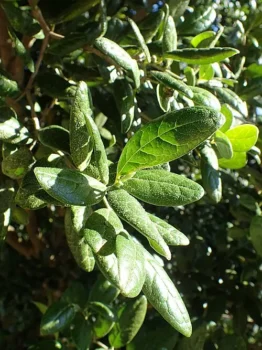
Boldo (Peumus boldus): A Chilean Native for Mediterranean Gardens
If you’re looking to add some South American flair to your garden, meet Boldo – a charming evergreen that’s been quietly winning over gardeners in warmer climates. This aromatic beauty from Chile might just be the unique addition your Mediterranean-style landscape has been waiting for.
What Exactly is Boldo?
Boldo, scientifically known as Peumus boldus, is an evergreen shrub or small tree that calls the Chilean matorral home. Don’t let its humble origins fool you – this plant packs a punch with its distinctive fragrant leaves and delicate clusters of small white flowers that appear in spring.
Where Does Boldo Come From?
This Mediterranean climate specialist is native to central Chile, where it thrives in the country’s characteristic scrubland ecosystem. It’s perfectly adapted to hot, dry summers and mild, wet winters – sound familiar to any California or Mediterranean gardeners out there?
Why You Might Want to Grow Boldo
Here are some compelling reasons to consider adding Boldo to your garden:
- Drought tolerance: Once established, Boldo laughs in the face of dry spells
- Aromatic foliage: The leaves release a pleasant, minty fragrance when crushed
- Pollinator friendly: Those small white flowers are bee magnets in spring
- Low maintenance: Perfect for busy gardeners who want beauty without the fuss
- Evergreen structure: Provides year-round interest and privacy screening
Growing Conditions and Care
Boldo is surprisingly easy to please if you can mimic its native Chilean conditions:
- Sunlight: Full sun to partial shade (morning sun is ideal)
- Soil: Well-draining soil is absolutely crucial – this plant despises wet feet
- Water: Moderate water during establishment, then drought tolerant
- Climate: USDA zones 8-10, perfect for Mediterranean climates
Planting and Care Tips
Getting your Boldo off to a good start is pretty straightforward:
- Plant in fall or early spring when temperatures are mild
- Ensure excellent drainage – consider raised beds or slopes if your soil is heavy
- Water regularly during the first year, then reduce significantly
- Prune lightly in late winter to maintain shape and remove any damaged branches
- Mulch around the base to retain moisture and suppress weeds
Garden Design Ideas
Boldo works beautifully in several garden settings:
- Mediterranean gardens: Perfect companion for lavender, rosemary, and olive trees
- Privacy screening: Plant several together for a fragrant, evergreen hedge
- Specimen planting: Let it shine as a focal point in drought-tolerant landscapes
- Herb gardens: The aromatic leaves add sensory interest
Things to Consider
While Boldo can be a wonderful addition to the right garden, it’s not native to North America. If you’re passionate about supporting local ecosystems, consider these native alternatives that offer similar benefits:
- California bay (Umbellularia californica) for West Coast gardens
- Texas mountain laurel (Dermatophyllum secundiflorum) for Southwestern regions
- Wax myrtle (Morella cerifera) for Southeastern areas
The Bottom Line
Boldo is an excellent choice for gardeners in Mediterranean climates who want something a little different from the usual suspects. Its combination of drought tolerance, aromatic foliage, and pollinator appeal makes it a solid performer in the right conditions. Just remember that excellent drainage isn’t optional – it’s essential for this Chilean charmer to thrive in your garden.
Whether you’re creating a water-wise landscape or just want to try something new, Boldo might be the unique, low-maintenance addition your garden has been waiting for.