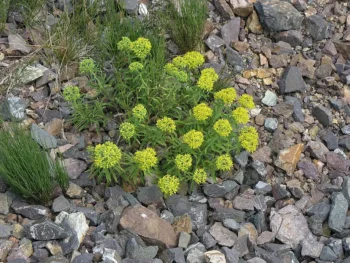
The Mystery of Phedimus selskianus t: When Plant Names Leave Us Puzzled
Have you ever come across a plant name that seems to trail off into uncertainty? That’s exactly what we’re dealing with when it comes to Phedimus selskianus t – a botanical name that appears incomplete and leaves even seasoned gardeners scratching their heads.
What We Know (And What We Don’t)
Here’s the honest truth: information about Phedimus selskianus t is remarkably scarce. This plant name appears in some databases, but the trailing t suggests we might be looking at an incomplete taxonomic designation or perhaps a data entry that got cut short somewhere along the way.
What we can tell you is that this plant has historical connections to Sedum selskianum Regel & Maack, which gives us a clue that we’re dealing with a succulent plant in the stonecrop family. However, without more complete taxonomic information, it’s difficult to provide reliable growing advice.
The Challenge of Incomplete Plant Names
When you encounter a plant name like this in your gardening journey, it’s a reminder of how complex plant taxonomy can be. Names change, classifications get updated, and sometimes database entries get corrupted or incomplete. It’s like trying to follow a recipe when half the ingredients list is missing!
Should You Try to Grow It?
Here’s where we need to pump the brakes a bit. Without clear information about:
- Native status and geographic distribution
- Growing requirements and hardiness zones
- Potential invasive characteristics
- Proper identification features
We can’t responsibly recommend adding this plant to your garden. It would be like buying a mystery seed packet – you might get something wonderful, or you might end up with a plant that’s completely wrong for your climate or garden goals.
Better Alternatives for Your Garden
If you’re interested in stonecrop-type plants (which this appears to be related to based on its synonym), there are many well-documented native alternatives depending on your location. Consider researching native sedums or other succulent groundcovers that are appropriate for your specific region and growing conditions.
These alternatives will give you the confidence that comes with knowing exactly what you’re planting, how to care for it, and what benefits it might bring to local wildlife and pollinators.
The Bottom Line
Sometimes the most honest answer a gardening expert can give is we don’t have enough reliable information. Phedimus selskianus t falls into this category. Rather than guessing about its needs or characteristics, we’d recommend focusing your gardening energy on plants with well-documented growing requirements and clear conservation status.
If you’ve encountered this plant name in your research, double-check your sources and see if you can find a more complete botanical name or additional taxonomic information. Your future self (and your garden) will thank you for the extra detective work!