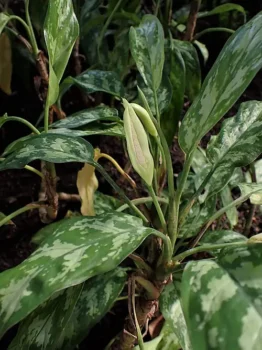
Philippine Evergreen: A Tropical Beauty for Shaded Gardens
If you’re looking for a striking foliage plant that thrives in the shadows, the Philippine evergreen (Aglaonema commutatum) might just catch your eye. This tropical perennial has made quite a journey from its native Southeast Asian home to gardens in warmer parts of the United States, bringing along its gorgeous patterned leaves and easygoing nature.
What Makes Philippine Evergreen Special?
Philippine evergreen is a true showstopper when it comes to foliage. This herbaceous perennial produces broad, lance-shaped leaves that often feature beautiful silver or white markings against a rich green background. Unlike woody shrubs or trees, this plant maintains a soft, non-woody structure throughout its life, making it perfect for creating lush, tropical-looking displays in shaded areas.
As a forb (basically a fancy term for a non-woody flowering plant), Philippine evergreen focuses its energy on producing those stunning leaves rather than developing thick, woody stems. The result? A plant that’s all about the visual impact of its foliage.
Where Does It Come From?
Originally hailing from the Philippines and other parts of Southeast Asia, Philippine evergreen has established itself as a naturalized resident in Florida and Puerto Rico. It’s worth noting that this plant isn’t native to the United States – it’s what botanists call a non-native species that has successfully adapted to life in warmer American climates.
- Species observed
- No observations
Should You Plant Philippine Evergreen?
Here’s the scoop: Philippine evergreen can be a fantastic addition to the right garden, but there are a few things to consider. Since it’s not native to North America, it won’t provide the same ecological benefits as indigenous plants. However, it’s currently not listed as invasive or problematic, so if you’re drawn to its tropical appeal, you can grow it with a clear conscience.
That said, if you’re passionate about supporting local ecosystems, you might want to explore native alternatives that can provide similar aesthetic appeal while offering food and shelter for local wildlife. Consider native ferns, wild gingers, or other shade-loving perennials that are naturally suited to your region.
Perfect Spots for Philippine Evergreen
This plant is happiest in:
- Shaded to partially shaded areas (direct sunlight is a no-go)
- Tropical and subtropical gardens
- Container gardens on patios or porches
- Indoor spaces with bright, indirect light
- Landscape designs that call for bold, patterned foliage
Growing Conditions and Care
Philippine evergreen is fairly easygoing, but it does have some specific preferences:
Climate: This plant is only hardy in USDA zones 10-12, meaning it can’t tolerate frost. If you live in a cooler area, you’ll need to treat it as a houseplant or bring containers indoors during winter.
Light: Think bright shade – it wants enough light to maintain its beautiful leaf patterns but will scorch in direct sunlight.
Water: According to its wetland status, Philippine evergreen typically prefers well-draining upland conditions. It likes consistent moisture but doesn’t want to sit in soggy soil. Water when the top inch of soil feels dry.
Soil: Well-draining, fertile soil works best. If you’re growing it in containers, a good-quality potting mix will do the trick.
Planting and Care Tips
Getting started with Philippine evergreen is pretty straightforward:
- Choose a spot with filtered light or morning sun with afternoon shade
- Ensure good drainage – this plant doesn’t like wet feet
- Keep temperatures above 60°F (15°C) for best growth
- Water regularly during growing season, but reduce in winter
- Feed with a balanced, diluted fertilizer during the growing season
- Watch for pests like spider mites or mealybugs, especially when grown indoors
The Bottom Line
Philippine evergreen can be a beautiful addition to warm-climate gardens or indoor plant collections, especially if you love bold, patterned foliage. While it may not support local wildlife like native plants do, it’s not considered problematic either. Just remember to give it the shade and warmth it craves, and you’ll be rewarded with those gorgeous tropical-looking leaves year-round.
If you decide this isn’t the right fit for your garden, don’t worry – there are plenty of native shade plants that can give you similar lush, green appeal while supporting your local ecosystem. The choice is yours!