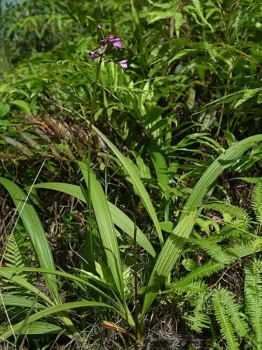
Philippine Ground Orchid: A Tropical Beauty for Warm Climate Gardens
Looking to add some exotic flair to your garden? The Philippine ground orchid (Spathoglottis plicata) might just be the showstopper you’re seeking. This perennial beauty brings vibrant purple-pink blooms and tropical elegance to landscapes in warmer climates, though it’s important to understand both its appeal and its non-native status before adding it to your garden.
What is the Philippine Ground Orchid?
The Philippine ground orchid is a terrestrial orchid native to Southeast Asia, particularly Malaysia, Indonesia, and the Philippines. Unlike many orchids that grow on trees, this one grows happily in the ground, making it much easier for home gardeners to cultivate. It’s classified as a forb – essentially a non-woody herbaceous plant that comes back year after year.
Where Does It Grow in the United States?
As a non-native species, the Philippine ground orchid has established itself in several U.S. locations where the climate suits its tropical preferences. You’ll find it growing in Florida, Hawaii, Puerto Rico, and the U.S. Virgin Islands, where it reproduces on its own and persists in the wild.
- Species observed
- No observations
Why Gardeners Love (and Should Consider) This Orchid
There’s no denying the Philippine ground orchid’s visual appeal. Here’s what makes it attractive to gardeners:
- Stunning flowers: Produces tall spikes of purple-pink orchid blooms that last for weeks
- Easy care: Much simpler to grow than most orchids
- Year-round interest: Attractive sword-like leaves provide structure even when not blooming
- Pollinator friendly: Attracts bees and butterflies to the garden
- Tropical ambiance: Adds instant exotic appeal to landscapes
A Word About Its Non-Native Status
Before you rush to plant this beauty, it’s worth noting that the Philippine ground orchid is not native to the United States. While it’s not currently listed as invasive or noxious, responsible gardeners might want to consider native alternatives that provide similar benefits to local ecosystems. That said, if you’re in a suitable climate zone and choose to grow it, proper care and management can help prevent unwanted spread.
Growing Conditions and Care
The Philippine ground orchid is surprisingly accommodating for an orchid, but it does have specific preferences:
Climate Requirements
- USDA Hardiness Zones: 9-11 (cannot tolerate frost)
- Wetland status: Prefers upland conditions and doesn’t do well in constantly wet areas
Ideal Growing Conditions
- Light: Partial shade to full sun (morning sun with afternoon shade is ideal)
- Soil: Well-draining soil that doesn’t stay waterlogged
- Moisture: Regular watering but allow soil to dry slightly between waterings
- Temperature: Thrives in warm, tropical to subtropical conditions
Planting and Care Tips
Getting your Philippine ground orchid established and thriving is relatively straightforward:
- Planting: Choose a location with good drainage and appropriate light conditions
- Watering: Water regularly during growing season, reduce in cooler months
- Fertilizing: Apply a balanced fertilizer monthly during active growth
- Maintenance: Remove spent flower spikes and divide clumps every few years
- Container growing: Excellent choice for pots in colder climates where it can be moved indoors
Garden Design Ideas
The Philippine ground orchid works beautifully in several landscape settings:
- Tropical and subtropical garden beds
- Mixed perennial borders for warm climates
- Container gardens and patio displays
- Cutting gardens for gorgeous flower arrangements
Consider Native Alternatives
If you’re interested in supporting local ecosystems while still enjoying orchid-like beauty, consider researching native orchid species in your area. Many regions have stunning native orchids that provide similar aesthetic appeal while supporting local wildlife and pollinators.
The Bottom Line
The Philippine ground orchid is undeniably beautiful and easier to grow than most orchids. While it’s not native to the U.S., it can be a lovely addition to warm climate gardens when grown responsibly. Just remember to prevent unwanted spread by managing it carefully and disposing of plant material properly. Whether you choose this exotic beauty or opt for native alternatives, the key is creating a garden that brings you joy while being mindful of your local ecosystem.