Philippine Tung: A Tropical Tree with Personality
Meet the Philippine tung (Reutealis trisperma), a distinctive tropical tree that’s as interesting as its name suggests. While you might not have heard of this particular species before, it’s a noteworthy member of the spurge family that deserves some attention from adventurous gardeners in warm climates.
What Exactly Is Philippine Tung?
Philippine tung goes by the botanical name Reutealis trisperma, though you might occasionally see it listed under its older scientific names Aleurites trisperma or Aleurites trispermus. Don’t let the scientific terminology intimidate you – this is simply a tropical tree that produces distinctive three-seeded fruits, which is actually what trisperma refers to.
Where Does It Come From?
As the common name suggests, this tree hails from the Philippines, where it grows naturally in the tropical climate. It’s adapted to warm, humid conditions and has been part of the Philippine landscape for centuries.
What Does It Look Like?
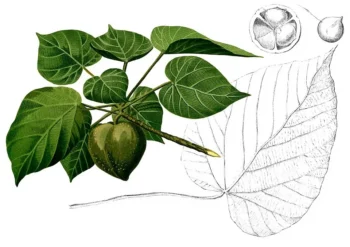
The Philippine tung is quite the show-stopper when it comes to foliage. This tree features large, broad, palmate leaves that create an impressive tropical canopy. The leaves are arranged like fingers on a hand, giving the tree a bold, architectural presence in the landscape. When mature, it can grow into a substantial shade tree, making it a real statement piece in any garden that can accommodate its size.
The tree produces small flowers that, while not particularly showy, are followed by interesting three-seeded fruits – hence the trisperma in its scientific name.
Should You Plant Philippine Tung?
Here’s the thing about Philippine tung – it’s definitely not a plant for everyone or every climate. This tree is strictly tropical, meaning it can only survive year-round in USDA hardiness zones 10-12. If you’re gardening anywhere that experiences frost or freezing temperatures, this tree simply won’t work for you outdoors.
However, if you’re fortunate enough to garden in a consistently warm climate, Philippine tung can be an excellent choice for:
- Large tropical landscapes where you need substantial shade
- Specimen planting where you want something unique and eye-catching
- Gardens where you’re creating a tropical or exotic theme
- Properties with plenty of space for a tree that will grow quite large
Growing Philippine Tung Successfully
If you’re in the right climate zone and have decided to give Philippine tung a try, here’s what you need to know:
Climate Requirements: This tree absolutely must have warm temperatures year-round. It cannot tolerate frost or freezing temperatures, so it’s only suitable for tropical and subtropical regions (zones 10-12).
Light Conditions: Philippine tung performs best in full sun to partial shade. It can adapt to various light conditions, but full sun will promote the most robust growth.
Soil Needs: Like most tropical trees, it prefers well-draining soil. While it’s not overly picky about soil type, avoid waterlogged conditions which can lead to root problems.
Watering: Regular watering is important, especially during establishment. Once mature, it can handle some drought, but consistent moisture will keep it looking its best.
Space Considerations: This tree needs room to grow! Make sure you’re planting it where it will have adequate space both above and below ground as it matures.
Benefits for Wildlife
While specific wildlife benefits haven’t been extensively documented, tropical trees like Philippine tung typically provide habitat and food sources for local bird species and other wildlife. The flowers may attract pollinators, contributing to the overall ecosystem health of your garden.
Consider Your Local Ecosystem
If you’re gardening outside of the Philippines, it’s worth considering whether there are native trees in your area that could provide similar benefits while supporting local wildlife more effectively. While Philippine tung isn’t known to be invasive, native species are always the gold standard for ecological gardening.
The Bottom Line
Philippine tung is an interesting tropical tree that can make a striking addition to the right garden. Its bold foliage and substantial size make it a natural choice for creating shade and tropical ambiance. However, its strict climate requirements mean it’s only suitable for gardeners in consistently warm regions. If you meet those requirements and have the space, Philippine tung could be an intriguing addition to your tropical landscape palette.