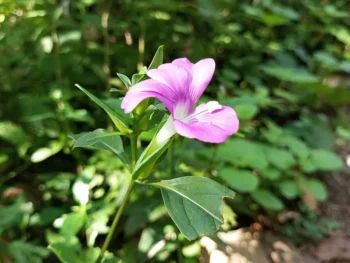
Philippine Violet: A Compact Flowering Shrub for Warm Climate Gardens
If you’re looking for a low-maintenance flowering shrub that blooms almost year-round, you might want to meet the Philippine violet (Barleria). This petite perennial shrub has been making itself at home in warm regions across the United States, bringing cheerful purple blooms to gardens from Florida to Hawaii.
What Exactly is Philippine Violet?
Philippine violet is a compact, low-growing perennial shrub that rarely grows taller than 18 inches, with most plants staying comfortably under 1.5 feet tall. Despite its common name, this plant isn’t actually from the Philippines – it’s originally native to tropical regions of Africa and Asia. The Philippine violet moniker likely comes from its violet-colored tubular flowers that have found their way into gardens throughout tropical and subtropical regions.
Where Does It Grow?
Currently, you’ll find Philippine violet growing in Florida, Hawaii, Puerto Rico, the U.S. Virgin Islands, and Palau. It’s considered a non-native species in all these locations, having been introduced and now reproducing on its own in the wild. The plant has adapted well to these warm, tropical climates where it can thrive year-round.
- Species observed
- No observations
Garden Appeal and Landscape Role
What makes Philippine violet attractive to gardeners is its reliability. This little shrub produces small, tubular purple or violet flowers almost continuously in warm climates, creating consistent color in the landscape. Its compact size makes it perfect for:
- Border plantings along walkways
- Ground cover in small areas
- Container gardening
- Rock gardens and xeriscaped areas
- Small accent plantings
The plant works particularly well in tropical and subtropical garden designs where you want low-maintenance color without the commitment of larger shrubs.
Benefits for Pollinators
Those small tubular flowers aren’t just pretty – they’re also valuable to local pollinators. Butterflies and other small pollinators are drawn to the blooms, making Philippine violet a useful addition to pollinator gardens in appropriate climates.
Growing Conditions and Care
Philippine violet is surprisingly easy to grow, which probably explains how it’s managed to establish itself in so many locations. Here’s what it needs to thrive:
- Sunlight: Full sun to partial shade (prefers bright conditions)
- Soil: Well-draining soil (doesn’t tolerate waterlogged conditions)
- Water: Drought tolerant once established; minimal water needs
- Climate: USDA hardiness zones 9-11 (cannot tolerate frost)
Planting and Care Tips
If you decide to grow Philippine violet, here are some practical tips for success:
- Plant in spring after the last frost danger has passed
- Space plants about 12-18 inches apart for ground cover effect
- Water regularly during the first few weeks to establish roots
- Once established, water only during extended dry periods
- Prune lightly to maintain shape and encourage bushy growth
- No special fertilization needed in most soils
Important Considerations
Before you rush out to plant Philippine violet, there are a few things to keep in mind. Since this is a non-native species that has already established itself in the wild in several regions, it’s worth considering whether there might be native alternatives that could serve the same purpose in your garden.
For gardeners in Florida, consider native alternatives like firebush (Hamelia patens) or wild petunia (Ruellia caroliniensis). In Hawaii, native options might include naupaka (Scaevola taccada) or Hawaiian hibiscus varieties. These native plants will provide similar aesthetic benefits while supporting local ecosystems more effectively.
The Bottom Line
Philippine violet can be a reliable, low-maintenance addition to warm climate gardens, especially if you’re looking for consistent color and pollinator appeal in a compact package. While it’s not native to the United States, it doesn’t appear to be aggressively invasive either. However, whenever possible, consider supporting your local ecosystem by choosing native plants that provide similar benefits. If you do choose to grow Philippine violet, you’ll find it to be an accommodating little shrub that asks for very little while delivering steady blooms throughout the growing season.