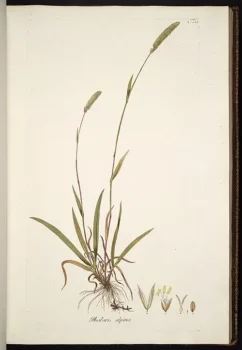
Phleum hirsutum: The Mystery Grass You’ve Probably Never Heard Of
If you’re scratching your head wondering what Phleum hirsutum is, you’re not alone! This obscure grass species is one of those botanical mysteries that even seasoned gardeners and plant enthusiasts rarely encounter. Sometimes referred to by its synonym Phleum michelii, this grass belongs to the Poaceae family—the same family that brings us familiar lawn grasses and ornamental varieties.
What We Know (And Don’t Know) About This Elusive Grass
Here’s where things get interesting—and by interesting, I mean frustratingly vague. Phleum hirsutum appears to be of European origin, but specific details about its native range, growing habits, and characteristics are surprisingly scarce in both horticultural and botanical literature. This isn’t your typical garden center find!
The Great Information Gap
As someone who loves diving deep into plant profiles, I have to be honest with you: reliable information about Phleum hirsutum is practically non-existent. We don’t have clear data on:
- Its specific growing conditions and requirements
- USDA hardiness zones where it thrives
- Its mature size and growth rate
- Whether it has any ornamental value
- Its invasive potential or conservation status
- Specific wildlife or pollinator benefits
Should You Try to Grow It?
Given the lack of available information, growing Phleum hirsutum would be more of an experimental adventure than a reliable gardening choice. Without knowing its growing requirements, potential invasiveness, or even where to source it, this grass presents more questions than answers for the home gardener.
Better Alternatives for Your Garden
Instead of chasing this botanical unicorn, why not consider some well-documented native grasses that will actually thrive in your garden? Depending on your region, you might explore:
- Native bunch grasses that provide structure and movement
- Ornamental grasses with proven garden performance
- Locally adapted species that support wildlife and pollinators
The Bottom Line
While Phleum hirsutum might sound intriguing to plant collectors and botanical enthusiasts, the lack of available information makes it an impractical choice for most gardeners. Sometimes the most responsible approach is to stick with plants we understand well—especially when it comes to introducing species to our landscapes.
If you’re drawn to unique grasses, I’d encourage you to explore the wonderful world of well-documented native species in your area. Your local extension office or native plant society can point you toward grasses that will not only grow successfully but also contribute meaningfully to your local ecosystem.
After all, the best garden plants are the ones that thrive, not the ones that leave us guessing!