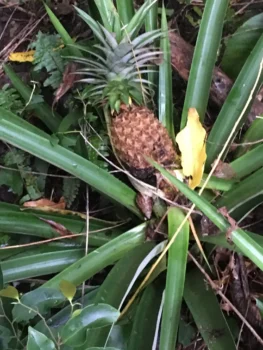
Growing Pineapples: A Tropical Adventure for Your Garden
Who says you can’t grow your own tropical paradise? The pineapple (Ananas comosus) might just be the conversation starter your garden needs. This iconic tropical fruit plant brings a taste of the tropics to any warm climate garden, though it definitely has some specific needs that might make you think twice.
What Exactly Is a Pineapple Plant?
Despite what you might expect, pineapple plants aren’t trees at all! Ananas comosus is actually a perennial forb – basically a large, herbaceous plant that forms a striking rosette of sword-like leaves. Think of it as nature’s version of a spiky fountain, topped with that golden crown we all know and love.
The plant grows slowly to about 3 feet tall and wide, creating a vase-shaped form that’s undeniably tropical. Its coarse-textured, green foliage stays dense throughout the growing season, and yes – that orange, conspicuous fruit really does appear right in the center!
Where Pineapples Call Home (And Where They’ve Wandered)
Originally from South America, pineapples have quite the travel resume. While native to Brazil, Paraguay, and northern Argentina, they’ve made themselves at home as introduced species in several U.S. locations including Florida, Puerto Rico, Guam, Palau, and various U.S. Minor Outlying Islands.
- Species observed
- No observations
This wandering nature means pineapples are definitely not native to most U.S. gardens, so if you’re focused on supporting local ecosystems, you might want to consider native alternatives that provide similar tropical flair.
The Good, The Bad, and The Tropical
Why you might want to grow pineapples:
- Edible landscaping at its finest – you get ornamental value AND fruit
- Unique conversation piece that’s sure to impress neighbors
- Container-friendly for greenhouse or sunroom growing
- Low maintenance once established (if you can meet its needs)
Why you might want to think twice:
- Extremely limited climate requirements – needs frost-free conditions year-round
- Slow growing (patience is definitely required)
- Takes up significant space for a single plant
- Not native, so doesn’t support local wildlife ecosystems
- Minimal pollinator benefits due to inconspicuous flowers
Growing Conditions: Pineapples Are Picky
Let’s be honest – pineapples are tropical divas with very specific needs:
Climate Requirements:
- USDA Hardiness Zones 10-12 only
- Needs 365 frost-free days annually
- Minimum temperature tolerance of 32°F (but thrives much warmer)
- Prefers 30-80 inches of annual precipitation
Soil and Site:
- Well-draining soil is absolutely critical
- Acidic conditions preferred (pH 4.0-6.0)
- Tolerates coarse, medium, or fine-textured soils
- Full sun to partial shade (surprisingly shade tolerant)
- High fertility requirements
Planting and Care Tips
If you’re determined to grow your own pineapples, here’s what you need to know:
Getting Started:
- Purchase container-grown plants (seeds aren’t viable for propagation)
- Plant spacing: 1,700-2,700 plants per acre if you’re going commercial
- Spring and summer are the active growing periods
Ongoing Care:
- Regular watering but ensure excellent drainage
- High fertility feeding throughout growing season
- Protect from any cold snaps
- Be patient – growth rate is slow!
- Moderate salt tolerance if you’re in coastal areas
For the Wildlife-Conscious Gardener
Here’s where pineapples fall short: they don’t offer much for local wildlife. The flowers are small and inconspicuous, providing minimal pollinator benefits. If supporting native ecosystems is important to you, consider these native alternatives that offer tropical flair:
- Native bromeliads for similar rosette form
- Native palms for tropical ambiance
- Regional native fruits that support local wildlife
The Bottom Line
Growing pineapples can be a fun horticultural adventure if you live in the right climate and enjoy the challenge of exotic plants. They’re perfect for tropical-themed gardens, edible landscapes, or as unique container specimens in greenhouses. However, their very specific requirements and lack of ecological benefits mean they’re definitely not for every gardener.
If you do decide to give pineapples a try, embrace the slow journey – good things (and sweet fruits) come to those who wait!