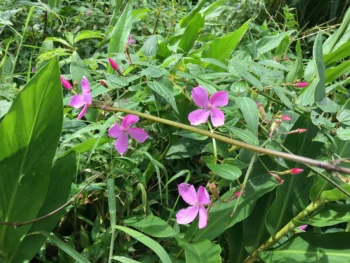
Pinkfringe: A Tropical Beauty with Some Considerations
If you’re exploring unique flowering plants for your Hawaiian garden, you might have come across pinkfringe (Arthrostemma ciliatum). This perennial forb brings a touch of tropical charm with its distinctive pink blooms, but there are some important things to know before adding it to your landscape.
What is Pinkfringe?
Pinkfringe is a non-woody perennial plant that produces delicate pink to purple flowers with characteristically fringed petals – hence the charming common name. As a forb, it lacks significant woody growth and maintains its growing points at or below ground level, making it a relatively low-maintenance addition to the garden.
You might also see this plant listed under its synonym, Arthrostemma latifolium, in some older gardening references or plant databases.
Native Status and Distribution
Here’s where things get interesting: pinkfringe isn’t actually native to Hawaii. Originally from Central and South America’s tropical regions, this plant has made itself at home in Hawaiian landscapes where it now reproduces spontaneously and persists without human intervention.
Currently, pinkfringe is found growing in Hawaii, where it has adapted well to the local climate conditions.
- Species observed
- No observations
Should You Plant Pinkfringe?
The decision to plant pinkfringe comes down to your gardening philosophy and local ecosystem considerations. While it’s not classified as invasive or noxious, being a non-native species means it won’t provide the same ecological benefits as indigenous plants.
Growing Conditions and Care
If you do decide to grow pinkfringe, here’s what you need to know:
- Moisture: This plant appreciates consistent moisture and can tolerate both wetland and non-wetland conditions
- Light: Partial shade tends to work best for optimal growth
- Soil: Well-draining soil that retains some moisture
- Climate: Thrives in tropical and subtropical conditions (USDA zones 10-12)
Landscape Role and Design Ideas
Pinkfringe works well as an ornamental accent plant in tropical garden designs. Its delicate flowers add texture and color to mixed plantings, and its forb growth habit makes it suitable for understory plantings or naturalized garden areas.
The plant’s ability to thrive in various moisture conditions makes it versatile for different garden zones – from slightly drier areas to the edges of water features or rain gardens.
Consider Native Alternatives
While pinkfringe can be a lovely addition to your garden, consider exploring native Hawaiian plants that offer similar aesthetic appeal while supporting local ecosystems. Native alternatives often provide better wildlife benefits and are naturally adapted to local growing conditions.
Consulting with local native plant societies or extension services can help you discover indigenous species that might fulfill the same design role while contributing to Hawaii’s ecological health.
The Bottom Line
Pinkfringe offers tropical beauty and relatively easy care for Hawaiian gardeners. While it’s not invasive, its non-native status means it won’t contribute to local wildlife habitat the way indigenous plants do. If you choose to grow it, enjoy its charming fringed blooms while also considering native plants for the backbone of your landscape design.