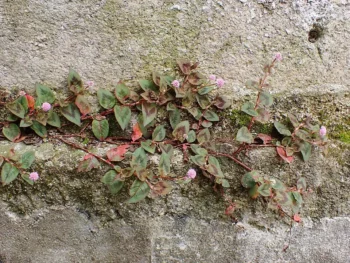
Pinkhead Smartweed: A Charming Ground Cover with a Wandering Spirit
Meet pinkhead smartweed (Polygonum capitatum), a petite perennial that’s been quietly making itself at home in gardens across several U.S. states. With its adorable pink button flowers and heart-shaped leaves, this little ground-hugger has a certain cottage garden charm that’s hard to resist. But before you fall head over heels for this Himalayan native, let’s dig into what makes this plant tick and whether it deserves a spot in your garden.
What Exactly Is Pinkhead Smartweed?
Pinkhead smartweed is a low-growing perennial forb that forms dense mats across the ground. You might also see it listed under its synonym Persicaria capitata in some plant catalogs. This non-native species originally hails from the Himalayas and parts of Asia, but it’s been introduced to the United States where it now grows wild in California, Hawaii, Louisiana, and Oregon.
- Species observed
- No observations
As a facultative upland plant, pinkhead smartweed usually prefers non-wetland areas but won’t turn its nose up at slightly moist conditions. It’s quite the adaptable little character, really.
The Look and Feel
This charming ground cover reaches only about 6 inches tall but can spread 2-3 feet wide, creating a lush carpet effect. The real showstoppers are those distinctive pink, globe-shaped flower heads that pop up from spring through fall. Each tiny flower cluster looks like a perfect little pompom sitting atop reddish stems. The heart-shaped leaves add to the romantic cottage garden vibe, often displaying attractive reddish markings that complement the pink blooms beautifully.
Where Does It Fit in Your Garden?
Pinkhead smartweed works wonderfully as:
- Ground cover in informal garden areas
- Rock garden specimen
- Border edging plant
- Filler in cottage-style gardens
- Naturalized area plantings
It thrives in USDA hardiness zones 7-10, making it suitable for milder climates. The plant performs best in partial shade to full sun and adapts to various soil types, though it prefers moist, well-drained conditions.
Growing Pinkhead Smartweed Successfully
Here’s where things get interesting – this plant is almost too easy to grow. Once established, pinkhead smartweed requires minimal care and can spread quite enthusiastically. Here are the key growing tips:
- Location: Choose partial shade to full sun areas
- Soil: Adaptable to most soil types; prefers moist, well-drained conditions
- Planting: Space plants 12-18 inches apart initially
- Maintenance: Very low maintenance once established
- Containment: Consider barriers or regular trimming to prevent unwanted spread
The Pollinator Connection
Those cute pink flower heads aren’t just for show – they attract small pollinators including flies and diminutive bees. While not a major pollinator magnet, every little bit helps in supporting local pollinator populations.
A Word of Caution (And Some Alternatives)
While pinkhead smartweed isn’t currently listed as invasive, its enthusiastic spreading habit means it can quickly take over more space than you originally intended. It reproduces spontaneously in the wild, which is how it’s established itself in several states beyond its original introduction points.
If you’re looking for similar aesthetic appeal with native credentials, consider these alternatives:
- Wild ginger (Asarum canadense) for heart-shaped leaves
- Native violets for low-growing habit
- Coral bells (Heuchera) for colorful foliage
- Local native sedums for ground cover
The Bottom Line
Pinkhead smartweed is undeniably charming and ridiculously easy to grow. If you choose to plant it, just be prepared for its wandering ways and have a containment plan ready. While it’s not problematic enough to avoid entirely, giving priority to native alternatives that provide similar benefits might be the more environmentally conscious choice for your garden. Whatever you decide, this little pink-flowered charmer will certainly add a whimsical touch to the right garden setting.