Pinwheel Flower: A Fragrant Tropical Beauty for Warm Climate Gardens
If you’ve ever caught a whiff of an incredibly sweet, jasmine-like fragrance wafting through a warm evening garden, you might have encountered the pinwheel flower (Tabernaemontana divaricata). This charming tropical shrub has been winning hearts with its distinctive white, pinwheel-shaped blooms and intoxicating scent, though it’s not a native to North American gardens.
What Exactly Is Pinwheel Flower?
Pinwheel flower is a perennial shrub that typically grows as a multi-stemmed woody plant, usually staying under 13-16 feet in height. You might also see it listed under its botanical synonyms Ervatamia coronaria or Tabernaemontana coronaria in older gardening references. This evergreen beauty hails from Southeast Asia, particularly India and surrounding regions, but has found its way into gardens across warmer parts of the world.
Where Does It Grow?
In the United States, you’ll find pinwheel flower established in Florida and Puerto Rico, where it has naturalized and reproduces on its own in the wild. The plant thrives in USDA hardiness zones 9b through 11, making it suitable only for the warmest regions of the country.
- Species observed
- No observations
The Appeal of Pinwheel Flower
What makes this plant so captivating? Here are its standout features:
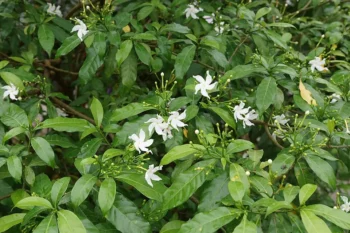
- Distinctive white flowers with five overlapping petals arranged in a pinwheel pattern
- Intensely fragrant blooms that smell like jasmine or gardenias
- Glossy, dark green oval leaves that provide attractive foliage year-round
- Nearly continuous blooming in warm climates
- Compact growth habit perfect for smaller gardens
Garden Design and Landscape Use
Pinwheel flower works beautifully in several garden settings. It makes an excellent specimen plant where you can appreciate its fragrance up close, such as near patios, walkways, or bedroom windows. The shrub also works well as a hedge or border plant in formal landscapes, and it’s perfectly suited for container gardening if you need to bring it indoors during colder months.
This plant fits naturally into tropical and subtropical garden themes, pairing well with other warm-climate favorites like hibiscus, plumeria, and bougainvillea.
Wildlife and Pollinator Benefits
The fragrant flowers of pinwheel flower attract butterflies and night-flying moths, adding some wildlife interest to your garden. The strong evening fragrance is particularly appealing to nocturnal pollinators.
Growing Conditions and Care
If you’re in the right climate zone, pinwheel flower is relatively easy to grow with these requirements:
- Light: Full sun to partial shade (morning sun with afternoon shade works well)
- Soil: Well-draining soil that doesn’t stay soggy
- Water: Regular watering, but allow soil to dry slightly between waterings
- Temperature: Warm temperatures year-round; protect from frost
- Fertilizer: Light, regular feeding during growing season
Planting and Care Tips
For best results with pinwheel flower:
- Plant in spring after the last frost danger has passed
- Space plants 3-4 feet apart if using as a hedge
- Prune lightly after flowering to maintain shape
- In borderline zones, grow in containers so you can move plants indoors
- Watch for scale insects and aphids, common pests on this plant
- Mulch around the base to retain moisture and regulate soil temperature
A Word About Native Alternatives
While pinwheel flower isn’t invasive or problematic, gardeners interested in supporting local ecosystems might consider native alternatives that provide similar benefits. Depending on your region, fragrant native options might include wild azaleas, native gardenias, or sweet pepperbush, all of which offer beautiful flowers and wildlife benefits while supporting local biodiversity.
Is Pinwheel Flower Right for Your Garden?
Pinwheel flower can be a delightful addition to warm-climate gardens, especially if you love fragrant plants and have a spot where you can enjoy the evening scent. Just remember that it’s strictly for zones 9b and warmer, and consider whether native plants might better serve your garden’s ecological goals. If you do choose to grow it, you’ll be rewarded with nearly year-round blooms and an incredible fragrance that makes summer evenings truly magical.