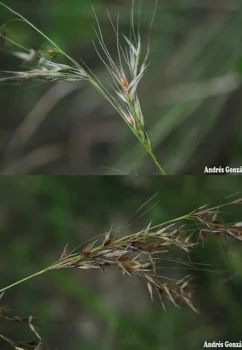
Piptochaetium lasianthum: An Elusive Native Grass Worth Knowing
If you’ve stumbled across the name Piptochaetium lasianthum in your native plant research, you’ve discovered one of those delightfully mysterious grasses that keeps botanists and native plant enthusiasts on their toes. This member of the Poaceae family (that’s the grass family, for those keeping track) falls into that intriguing category of native plants that don’t show up in every gardening catalog—which, honestly, makes them all the more interesting.
What We Know About This Mysterious Grass
Piptochaetium lasianthum belongs to a genus of grasses that are generally characterized by their elegant, often feathery seed heads and their ability to add graceful movement to the landscape. While specific details about this particular species are limited in horticultural literature, we can infer from its botanical classification that it shares the family traits that make grasses such valuable additions to native gardens.
The Challenge of the Unknown
Here’s where things get interesting (and a bit frustrating for us plant lovers): detailed information about P. lasianthum’s specific growing requirements, native range, and garden characteristics isn’t readily available in standard horticultural resources. This could mean a few things:
- It might be a regional specialty that hasn’t made it into widespread cultivation
- It could be a species that’s primarily of interest to botanists and researchers rather than home gardeners
- It might be thriving happily in its native habitat without much human intervention needed
Why This Matters for Your Garden
If you’re considering adding Piptochaetium lasianthum to your landscape, you’ll want to do some detective work first. Here’s what we recommend:
Start with local expertise: Reach out to your local native plant society, extension office, or botanical garden. They’re often treasure troves of information about lesser-known native species in your area.
Consider the genus characteristics: Other Piptochaetium species are typically drought-tolerant grasses that prefer well-drained soils and full sun conditions. They often work beautifully in naturalistic plantings and can provide excellent habitat for wildlife.
The Responsible Approach
When dealing with a species where information is limited, responsible sourcing becomes even more critical. If you do find P. lasianthum available:
- Ensure it’s sourced from reputable native plant nurseries
- Verify that it’s actually native to your region
- Ask about its collection source and propagation methods
- Consider starting small to observe how it performs in your specific conditions
Alternative Native Grasses to Consider
While you’re researching P. lasianthum, you might want to explore other native grasses that could fill a similar niche in your landscape. Look for locally native species in the Poaceae family that offer:
- Attractive seed heads for winter interest
- Wildlife habitat and food sources
- Low maintenance requirements once established
- Natural movement and texture in the garden
The Beauty of Native Grass Gardens
Whether you end up growing P. lasianthum or discover other native grasses along the way, you’re participating in something wonderful: creating habitat, supporting local ecosystems, and adding natural beauty to your landscape. Native grasses offer four-season interest, require minimal inputs once established, and provide crucial resources for wildlife.
Sometimes the most rewarding gardening adventures begin with the plants we know least about. Piptochaetium lasianthum might just be one of those delightful discoveries waiting to surprise you—if you can track it down!