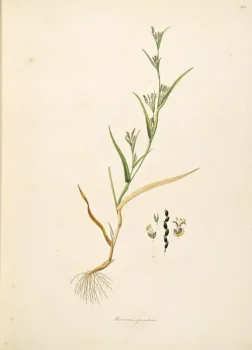
Pitscale Grass: Understanding This Non-Native Annual Grass
If you’ve spotted a small, seemingly unremarkable grass popping up in disturbed areas, gardens, or along roadsides in warmer parts of the United States, you might be looking at pitscale grass (Hackelochloa granularis). This diminutive annual grass has quite the travel story – originally from tropical regions of Africa and Asia, it’s now established itself across much of the southern United States and beyond.
What Exactly Is Pitscale Grass?
Pitscale grass is an annual grass that belongs to the large family of grasses, sedges, and rush-like plants. Don’t let the fancy botanical name fool you – this is a pretty humble little plant! You might also see it listed under several scientific synonyms in older references, including Cenchrus granularis, Mnesithea granularis, or Rytilix granularis.
As a non-native species, pitscale grass has made itself at home in the United States, reproducing freely in the wild without any help from us humans. It’s what botanists call a naturalized species – not originally from here, but certainly comfortable enough to stick around!
Where You’ll Find It
This adaptable little grass has spread across a impressive range of states, from the humid Southeast to the arid Southwest. You’ll find established populations in Alabama, Arizona, Florida, Georgia, Hawaii, Louisiana, Maryland, Mississippi, Missouri, New Mexico, Texas, and Puerto Rico.
- Species observed
- No observations
What About Wetlands?
One interesting thing about pitscale grass is how it adapts to different moisture conditions depending on where it grows:
- In dry western regions (Arid West and Hawaii), it almost never appears in wetlands
- Along the Atlantic and Gulf coasts, it can handle both wet and dry conditions equally well
- In mountainous areas and the Midwest, it usually prefers drier spots but occasionally tolerates wetter conditions
Should You Plant It?
Here’s the thing about pitscale grass – most gardeners don’t intentionally plant it, and there are good reasons for that. While it’s not classified as invasive or noxious, it doesn’t offer much in the way of ornamental appeal. This is definitely more of a functional plant than a beautiful one.
The tiny seed heads and modest growth habit mean it won’t be winning any garden beauty contests. Plus, as a non-native species, it doesn’t provide the same ecological benefits that our native grasses offer to local wildlife and pollinators.
Better Alternatives
If you’re looking for grasses to enhance your landscape, consider these native options instead:
- Regional native bunch grasses that provide better wildlife habitat
- Native sedges for areas with variable moisture
- Indigenous warm-season grasses that support local ecosystems
Your local native plant society or extension office can help you identify which native grasses would thrive in your specific area and growing conditions.
Growing Conditions and Hardiness
Should you find yourself with pitscale grass already established (which often happens without any effort on your part!), it’s quite the adaptable survivor. This annual thrives in USDA hardiness zones 8-11, which explains its success across the warmer parts of the country.
It’s notably drought-tolerant and seems to handle a variety of soil types without complaint. Being wind-pollinated, it doesn’t rely on attracting pollinators, which partly explains its rather understated appearance.
The Bottom Line
While pitscale grass isn’t going to harm your garden if it shows up, it’s not something most gardeners actively seek out either. If you’re planning a landscape, you’ll get much more bang for your buck – both aesthetically and ecologically – by choosing native grasses that have co-evolved with your local environment.
Think of pitscale grass as one of those quiet background players in the plant world: not particularly showy, but remarkably good at making itself at home wherever conditions suit it!