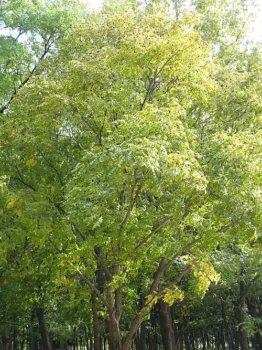
Platycarya: An Uncommon Asian Tree Worth Considering
If you’re looking to add something truly unique to your landscape, you might want to get acquainted with Platycarya. This lesser-known genus from the walnut family offers an interesting alternative for gardeners seeking distinctive trees that won’t take over the neighborhood.
What Exactly Is Platycarya?
Platycarya is a small genus of deciduous trees native to East Asia, particularly China, Korea, and parts of Japan. While it may not roll off the tongue like maple or oak, this relative of walnuts and hickories brings its own charm to temperate gardens. These medium-sized trees are part of the Juglandaceae family, though they’re definitely the more mysterious cousins in that botanical clan.
Why Consider Planting Platycarya?
Here’s what makes these trees interesting for adventurous gardeners:
- Distinctive compound leaves that create lovely dappled shade
- Interesting catkin flowers that add textural appeal in spring
- Moderate size that won’t overwhelm smaller properties
- Relatively uncommon, so your neighbors will definitely ask what’s that tree?
- Generally hardy in USDA zones 6-9
Growing Conditions and Care
Platycarya isn’t particularly fussy, but like most trees, it has some preferences:
- Soil: Well-drained, fertile soil works best
- Light: Full sun to partial shade
- Water: Regular watering when young, then fairly drought tolerant
- Maintenance: Minimal pruning needed once established
Where Does Platycarya Fit in Your Garden?
These trees work well as:
- Specimen trees in larger yards
- Part of woodland or naturalistic plantings
- Shade providers for patios or seating areas
- Components in mixed tree groves
The Wildlife Reality Check
Since Platycarya is wind-pollinated, it won’t be attracting butterflies and bees like flowering natives might. While birds may use the trees for nesting, you won’t see the same level of wildlife activity as with native alternatives.
Consider Native Alternatives
While Platycarya can be an interesting addition to your landscape, consider these native options that provide similar benefits plus enhanced wildlife support:
- American walnut or hickory species for similar family characteristics
- Native ash species (where not threatened by emerald ash borer)
- Regional oak varieties for excellent wildlife value
Final Thoughts
Platycarya offers something different for gardeners who want to expand beyond the usual suspects. While it won’t provide the wildlife benefits of native alternatives, it can add international flair to your landscape without becoming problematic. Just remember that unusual plants sometimes mean unusual sourcing challenges – you might need to search specialty nurseries or consider growing from seed if you can find it.
If you do decide to give Platycarya a try, you’ll be joining a small but dedicated group of gardeners who appreciate the subtle beauty of this Asian native. Just don’t expect your local garden center to have one waiting for you!