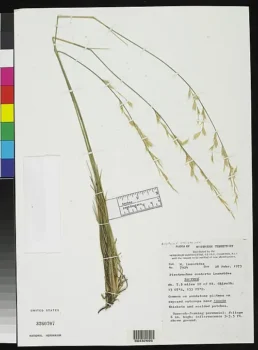
Plectrachne schinzii: The Mystery Grass That’s Hard to Pin Down
If you’ve stumbled across the name Plectrachne schinzii in your quest for the perfect native grass, you’re not alone in scratching your head. This elusive grass species is something of a botanical enigma—one of those plants that seems to exist more in scientific literature than in the real world of gardening.
What We Do Know (Spoiler Alert: It’s Not Much)
Plectrachne schinzii belongs to the grass family, making it what botanists call a graminoid—basically a fancy way of saying it’s grass or grass-like. Beyond that classification, reliable information about this species is frustratingly scarce. We don’t have a common name for it, which usually means it’s not widely known or cultivated by gardeners and landscapers.
The Geographic Mystery
Where does Plectrachne schinzii call home? That’s another piece of the puzzle that remains unsolved in readily available resources. Without knowing its native range, it’s impossible to determine whether this grass would be appropriate for your local ecosystem or garden conditions.
Should You Plant It? The Honest Answer
Here’s where we need to be practical. With so little information available about Plectrachne schinzii, it’s not a grass we can recommend for home gardens. We don’t know:
- Its growing requirements
- Whether it’s invasive or well-behaved
- What wildlife benefits it might provide
- Its hardiness zones
- How to properly care for it
Better Alternatives for Grass Lovers
Instead of chasing this botanical ghost, consider these well-documented native grass options that can bring beauty and ecological benefits to your landscape:
- Little bluestem (Schizachyrium scoparium) – a stunning prairie grass with blue-green foliage
- Buffalo grass (Poaceae dactyloides) – drought-tolerant and low-maintenance
- Native sedges like Pennsylvania sedge (Carex pensylvanica) – excellent groundcover alternative
- Switch grass (Panicum virgatum) – tall, architectural grass perfect for modern landscapes
The Takeaway
Sometimes in the plant world, you encounter species that remain stubbornly mysterious. Plectrachne schinzii appears to be one of those cases—a grass that exists in name but lacks the documentation needed for confident cultivation recommendations.
For gardeners seeking beautiful, reliable native grasses, it’s better to stick with well-researched species that have proven track records in cultivation. Your local native plant society or extension office can help you identify the best native grasses for your specific region and growing conditions.
After all, the best native plants for your garden are the ones you can actually find, grow, and enjoy!