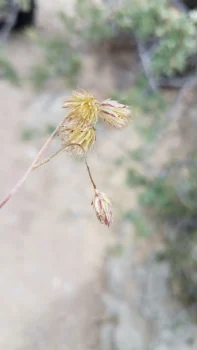
The Mystery Plant: Pleurocoronis laphamioides
If you’ve stumbled across the name Pleurocoronis laphamioides in your botanical wanderings, you’re not alone in scratching your head. This mysterious plant represents one of those fascinating botanical puzzle pieces that even experienced gardeners might find elusive.
What We Know (And What We Don’t)
Pleurocoronis laphamioides belongs to the dicot group of plants, which means it’s a flowering plant with two seed leaves. The plant also goes by the scientific synonym Hofmeisteria laphamioides Rose, which gives us a clue that it’s likely part of the Asteraceae family – the same family that includes sunflowers, daisies, and asters.
Unfortunately, that’s where our certainty ends. The common name, native range, and specific growing requirements for this plant remain largely undocumented in readily available gardening resources.
The Challenge of Obscure Plants
Sometimes in the world of native gardening, we encounter plants like Pleurocoronis laphamioides that exist in botanical literature but lack the detailed growing information that practical gardeners need. This could be because:
- The plant is extremely rare or has a very limited distribution
- It may be an outdated botanical name that’s been reclassified
- It exists primarily in specialized scientific collections rather than general cultivation
- Limited research has been conducted on its horticultural potential
Geographic Distribution
The geographic range of Pleurocoronis laphamioides is not well-documented in available sources, making it difficult to determine where this plant naturally occurs or might thrive in cultivation.
For the Curious Gardener
If you’re specifically seeking Pleurocoronis laphamioides for your garden, you might want to:
- Contact botanical gardens or university herbaria for more information
- Reach out to native plant societies in your region
- Consider exploring well-documented native alternatives in the Asteraceae family
- Consult with local extension offices or master gardeners
Alternative Native Asters to Consider
While we wait for more information about Pleurocoronis laphamioides to surface, there are many well-documented native asters and related plants that offer proven garden value. Depending on your location, you might explore native species like wild bergamot, purple coneflower, or regional aster species that provide reliable beauty and ecological benefits.
The Bottom Line
Pleurocoronis laphamioides remains something of a botanical mystery in the gardening world. Without clear information about its growing requirements, native status, or availability, it’s not a plant we can confidently recommend for typical garden use. However, the plant world is full of surprises, and sometimes these obscure species hold hidden gems waiting to be rediscovered by dedicated botanists and gardeners.
If you have experience with this plant or additional information to share, the gardening community would surely appreciate your insights into this enigmatic species.