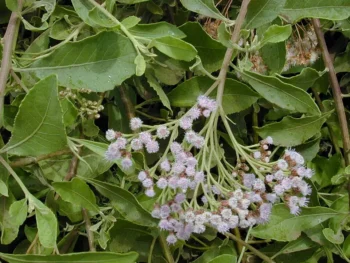
Pluchea ×fosbergii: A Little-Known Pacific Hybrid
Meet Pluchea ×fosbergii, a plant that’s something of a botanical mystery. This hybrid species from the Asteraceae (sunflower) family is one of those plants that botanists know exists, but gardeners rarely encounter in the nursery trade. If you’re curious about unusual plants or conducting research in Pacific island botany, this one might catch your interest—though you probably won’t be adding it to your shopping cart anytime soon.
What We Know (And Don’t Know)
Here’s where things get interesting: Pluchea ×fosbergii is a non-native hybrid that has established itself in parts of the Pacific Basin, specifically in Guam and Palau. The × in its name tells us it’s a hybrid—likely a cross between two other Pluchea species. However, detailed information about this particular plant is surprisingly scarce in horticultural literature.
Without a widely recognized common name, this plant remains primarily in the realm of botanical specimens rather than garden centers. It belongs to the camphorweed or marsh fleabane group, which gives us some clues about its potential characteristics, but specific cultivation details remain elusive.
- Species observed
- No observations
Should You Grow It?
Here’s the honest truth: even if you wanted to grow Pluchea ×fosbergii, finding it would be quite the challenge. This isn’t a plant you’ll discover at your local garden center, and the lack of available growing information makes it impractical for most home gardeners.
Since this species isn’t listed as invasive but is non-native to the Pacific region, there’s no urgent reason to avoid it. However, the practical challenges—combined with limited ecological information—make it a questionable choice for typical landscaping projects.
Better Alternatives for Pacific Gardens
If you’re gardening in the Pacific region and interested in plants from the Asteraceae family, consider these native alternatives instead:
- Native Hawaiian sunflowers and daisies that support local pollinators
- Indigenous Bidens species that provide wildlife habitat
- Local native plants recommended by your regional native plant society
The Bottom Line
Pluchea ×fosbergii represents one of those botanical footnotes—scientifically documented but horticulturally obscure. While there’s nothing particularly wrong with this hybrid, the combination of limited availability, scarce growing information, and its non-native status makes it more of a curiosity than a practical garden choice.
For most gardeners, especially those interested in supporting local ecosystems, focusing on well-documented native plants will be far more rewarding. Save your energy for plants that come with clear growing instructions and established benefits for your local wildlife—your garden (and the local pollinators) will thank you for it.