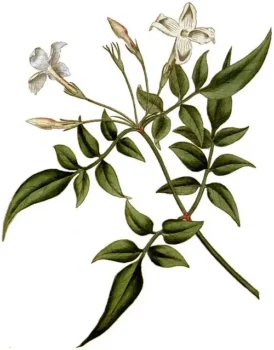
Poet’s Jasmine: The Fragrant Climber That’ll Make Your Neighbors Jealous
If you’ve ever walked past a garden on a warm summer evening and caught a whiff of something absolutely heavenly, chances are you’ve met poet’s jasmine (Jasminum officinale). This climbing beauty has been stealing hearts and perfuming gardens for centuries, and it’s not hard to see why. With its intoxicating fragrance and delicate white flowers, poet’s jasmine is like nature’s own air freshener – but way classier.
What Exactly Is Poet’s Jasmine?
Poet’s jasmine, scientifically known as Jasminum officinale, is a perennial climbing shrub that can reach impressive heights when given proper support. Don’t let the word shrub fool you – this plant is more of a graceful vine that loves to scramble up trellises, arbors, and anything else it can wrap its stems around. You might also see it listed under its botanical synonyms Jasminum grandiflorum or Jasminum officinale var. grandiflorum in some plant catalogs.
A World Traveler in Your Garden
Here’s the thing about poet’s jasmine – it’s not a native to North America. This aromatic adventurer originally hails from the Caucasus, northern Iran, Afghanistan, Pakistan, the Himalayas, and parts of India and China. It’s what we call a non-native species that has found its way into American gardens and has naturalized in some areas.
In the United States, you’ll find poet’s jasmine growing in the District of Columbia, Florida, Puerto Rico, and the Virgin Islands. It has established itself in these warmer regions and reproduces on its own in the wild.
- Species observed
- No observations
Should You Plant Poet’s Jasmine?
The short answer? It depends on what you’re looking for and where you live. Poet’s jasmine thrives in USDA hardiness zones 7-10, so if you’re in a colder climate, you might want to consider it as a container plant that you can bring indoors during winter.
The Good Stuff
- Incredibly fragrant white flowers that bloom from summer through fall
- Attractive glossy green foliage that looks good even when not flowering
- Fast-growing once established
- Attracts butterflies and night-flying pollinators
- Perfect for creating privacy screens or covering unsightly structures
Things to Consider
- It’s not native, so it won’t support local ecosystems as well as native alternatives
- Can be vigorous and may need regular pruning to keep it in bounds
- Requires a support structure to climb
- May not survive harsh winters in colder zones
Growing Poet’s Jasmine Successfully
If you decide to welcome poet’s jasmine into your garden, here’s how to keep it happy:
Location and Soil
Poet’s jasmine isn’t too fussy, but it performs best in full sun to partial shade with well-draining soil. It can tolerate various soil types but appreciates consistent moisture without being waterlogged. Think of it as the Goldilocks of climbing plants – not too wet, not too dry, but just right.
Support Systems
This climber needs something to climb! Install a trellis, arbor, or fence before planting, or position it near an existing structure. The stems will twine around supports, creating a living curtain of green leaves and white flowers.
Care and Maintenance
- Water regularly during the growing season, especially in hot weather
- Prune after flowering to maintain shape and encourage bushier growth
- Feed with a balanced fertilizer in spring
- In colder zones, protect the base with mulch or grow in containers
Design Ideas
Poet’s jasmine works beautifully in Mediterranean-style gardens, cottage gardens, and anywhere you want to add vertical interest and fragrance. It’s perfect for:
- Covering pergolas and arbors
- Creating living screens for privacy
- Softening harsh architectural features
- Adding fragrance near seating areas and windows
- Growing in large containers on patios
Native Alternatives to Consider
If you’re interested in supporting local wildlife and ecosystems, consider these native climbing alternatives:
- American groundnut (Apios americana) – fragrant flowers and edible tubers
- Coral honeysuckle (Lonicera sempervirens) – beloved by hummingbirds
- Virgin’s bower (Clematis virginiana) – clouds of white flowers
- Crossvine (Bignonia capreolata) – evergreen with trumpet-shaped flowers
The Bottom Line
Poet’s jasmine is undeniably beautiful and fragrant, making it a tempting choice for gardeners who want to add romance and perfume to their outdoor spaces. While it’s not native to North America, it’s not considered invasive in most areas where it grows. If you choose to plant it, you’ll be rewarded with months of heavenly fragrance and delicate beauty. Just remember to give it the support it needs to climb and the regular care it deserves.
Whether you go with poet’s jasmine or choose a native alternative, the most important thing is creating a garden that brings you joy – and maybe makes your neighbors a little envious of those evening garden strolls filled with floral perfume.