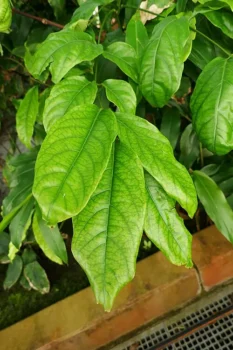
Poison Devil’s-Pepper: A Tropical Shrub with a Dramatic Name
With a name like poison devil’s-pepper, you might expect this plant to be something sinister lurking in your garden. But Rauvolfia vomitoria is actually a rather attractive tropical shrub that’s found its way into landscapes across Hawaii and Puerto Rico. While its common name might raise eyebrows (and yes, it does reference the plant’s toxic properties), this African native has become established in these warm climates where it quietly goes about its business as an ornamental shrub.
What is Poison Devil’s-Pepper?
Poison devil’s-pepper is a perennial shrub that typically grows as a multi-stemmed woody plant, usually staying under 13 to 16 feet tall. Like most shrubs, it develops several stems from near the ground, creating a bushy appearance that works well in tropical landscaping. The plant produces small white to pinkish flowers arranged in clusters, followed by attractive red berries that add seasonal interest.
Where Does It Grow?
Originally from West and Central Africa, poison devil’s-pepper has established itself as a non-native species in Hawaii and Puerto Rico, where it reproduces on its own in the wild. The plant thrives in these tropical climates, finding the warm, humid conditions much to its liking.
- Species observed
- No observations
Should You Plant Poison Devil’s-Pepper?
Here’s where things get interesting. While this shrub isn’t considered invasive or particularly problematic, it is a non-native species. If you’re in Hawaii or Puerto Rico and considering adding it to your landscape, here are some things to think about:
- It’s relatively low-maintenance once established
- The flowers attract small pollinators
- It provides year-round greenery with seasonal flower and berry interest
- It’s adapted to tropical conditions in USDA hardiness zones 10-12
However, since it’s not native to these areas, you might want to consider native alternatives that would provide similar benefits while supporting local ecosystems more effectively.
Growing Conditions and Care
If you decide to grow poison devil’s-pepper, it’s surprisingly accommodating. Here’s what it needs to thrive:
- Light: Partial shade works best, though it can tolerate some sun
- Soil: Well-draining soil is essential – it doesn’t like wet feet
- Water: Regular watering, but allow soil to dry between waterings
- Climate: Warm, humid conditions (zones 10-12)
- Protection: Shield from strong winds which can damage the branches
Planting and Care Tips
Getting your poison devil’s-pepper established is fairly straightforward:
- Plant in a location with morning sun and afternoon shade
- Ensure good drainage to prevent root rot
- Water regularly during the first growing season
- Prune lightly after flowering to maintain shape
- Watch for the attractive red berries that follow the flowers
A Word of Caution
Remember that common name? It’s not just dramatic flair – this plant does contain toxic compounds. Keep it away from areas where children and pets play, and always wear gloves when pruning or handling the plant.
The Bottom Line
Poison devil’s-pepper is a perfectly decent ornamental shrub for tropical gardens, but it’s worth considering whether a native alternative might be a better choice for your landscape. If you do decide to grow it, you’ll find it’s a relatively easy-going plant that adds tropical flair with its glossy leaves, delicate flowers, and colorful berries. Just remember to treat it with the respect its name demands!