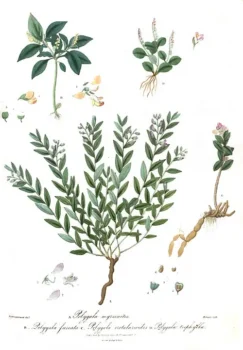
Polygala: The Mystery Plant That Has Gardeners Scratching Their Heads
If you’ve stumbled across the name Polygala crotalarioides in your gardening research, you’re not alone in feeling a bit puzzled. This particular member of the Polygala family is something of an enigma in the gardening world, with limited information available about its characteristics and cultivation requirements.
What We Know About This Polygala
Polygala crotalarioides belongs to the milkwort family (Polygalaceae), a group of plants known for their small, often colorful flowers. The genus Polygala includes hundreds of species found around the world, ranging from tiny ground-hugging plants to shrubs. However, when it comes to this specific species, reliable information is surprisingly scarce.
The Geographic Mystery
Unfortunately, the native range and geographical distribution of Polygala crotalarioides remains unclear from available sources. This lack of information makes it difficult to determine where this plant naturally occurs and what growing conditions it might prefer.
Should You Plant It?
Here’s where things get tricky. Without clear information about this plant’s characteristics, growing requirements, or even its availability in the nursery trade, it’s challenging to make a recommendation either way. If you’re considering adding a Polygala to your garden, you might want to explore better-documented species in the genus instead.
Better-Known Polygala Alternatives
If you’re drawn to the Polygala genus, consider these better-documented options:
- Polygala paucifolia (Fringed Polygala) – a charming native woodland plant
- Polygala senega (Seneca Snakeroot) – historically significant and ecologically valuable
- Polygala lutea (Orange Milkwort) – known for its bright orange flowers
The Bottom Line
Sometimes in the plant world, we encounter species that remain frustratingly mysterious. Polygala crotalarioides appears to be one of those plants. Whether it’s a rare species, a regional variant with limited documentation, or perhaps a name that’s fallen out of common use, the lack of readily available information makes it difficult to provide concrete growing advice.
If you’re set on finding this particular plant, your best bet might be contacting botanical gardens, university extension services, or specialized native plant societies who might have more detailed knowledge about obscure species. In the meantime, exploring the many well-documented members of the Polygala family might scratch that same gardening itch while giving you a better chance of success in your garden.
Sometimes the most honest thing a gardener can say is I don’t know – and that’s exactly where we find ourselves with Polygala crotalarioides. But hey, that’s part of what makes gardening such an adventure, right?