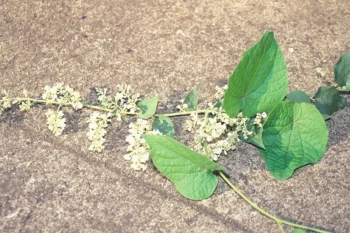
Poranopsis: An Obscure Non-Native Perennial Worth Knowing About
If you’ve stumbled across the name Poranopsis in your gardening research, you’re not alone in wondering what exactly this plant is all about. This little-known perennial belongs to the morning glory family and has quietly made its home in a few corners of the United States, though it’s not originally from here.
What Exactly is Poranopsis?
Poranopsis is a perennial forb—essentially a non-woody plant that comes back year after year. Think of it as an herbaceous plant that lacks the thick, woody stems you’d find on shrubs or trees. Instead, it keeps its growing points at or below ground level, allowing it to survive through seasons and return when conditions are right.
As a member of the Convolvulaceae family (the same family that includes morning glories and sweet potatoes), Poranopsis shares some genetic lineage with more familiar garden plants, though it’s certainly the quieter cousin at the family reunion.
Where You’ll Find Poranopsis
This non-native plant has established itself in Florida and Puerto Rico, where it reproduces on its own without human intervention. While it’s considered non-native to these areas, it has managed to naturalize and persist in the wild.
- Species observed
- No observations
Should You Plant Poranopsis in Your Garden?
Here’s where things get a bit tricky with Poranopsis—there’s remarkably little information available about its garden performance, growing requirements, or ornamental value. This lack of documentation makes it a challenging choice for most gardeners, especially when there are so many well-studied alternatives available.
Since Poranopsis is non-native and there’s limited information about its ecological impact or garden behavior, you might want to consider these approaches:
- If you’re curious about unique plants, proceed with caution and monitor its behavior in your garden
- Consider well-documented native alternatives that provide similar characteristics
- Focus on plants with known benefits to local wildlife and ecosystems
Better Native Alternatives
Instead of taking a chance on the mysterious Poranopsis, consider these native perennial forbs that offer documented benefits:
- Native wildflowers specific to your region
- Local groundcovers that support pollinators
- Indigenous herbaceous perennials with proven garden performance
The Bottom Line on Poranopsis
While Poranopsis isn’t flagged as invasive or problematic, its obscurity in horticultural circles suggests it’s not the most rewarding choice for most gardeners. The lack of available information about its growing requirements, ornamental value, and ecological role makes it a bit of a gardening gamble.
Your garden space is valuable, and there are countless native plants with well-documented benefits waiting to fill that spot. Unless you’re specifically researching this genus or have encountered it in the wild, you’ll likely find more satisfaction and success with better-known native alternatives that support local ecosystems and provide reliable garden performance.
Sometimes in gardening, as in life, the most mysterious options aren’t necessarily the most rewarding ones!