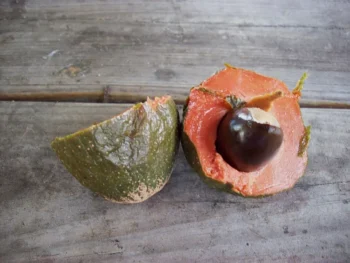
Pouteria: A Mysterious Tropical Native Worth Getting to Know
If you’ve stumbled across the name pouteria in your native plant research, you’ve discovered one of gardening’s more enigmatic characters. Pouteria viridis, commonly known simply as pouteria, belongs to the fascinating Sapotaceae family – the same plant family that gives us shea butter and some deliciously sweet tropical fruits.
What We Know About This Elusive Native
Here’s where things get interesting (and a bit frustrating for us plant enthusiasts): pouteria is one of those native species that seems to have flown under the research radar. What we do know is that it’s a legitimate native species with the synonym Calocarpum viride Pittier, suggesting it has some botanical history worth noting.
The Geographic Mystery
While the exact native range of Pouteria viridis remains unclear in available literature, the genus Pouteria is typically associated with tropical regions of Central and South America. This gives us some clues about where this plant might call home, though we’d need more specific research to pin down its exact distribution.
Should You Plant Pouteria?
This is where we hit a bit of a gardening conundrum. With limited information available about pouteria’s growing requirements, invasive potential, and garden performance, it’s challenging to give you a definitive yes or no. However, here’s what we can consider:
- As a native species (where it occurs naturally), it would theoretically support local ecosystems
- The lack of readily available information suggests it’s not commonly cultivated
- No known invasive or noxious status means it’s not flagged as problematic
The Growing Information Gap
Unfortunately, specific details about pouteria’s preferred growing conditions, USDA hardiness zones, and care requirements aren’t well-documented in accessible sources. This isn’t uncommon with lesser-known native species – sometimes the most interesting plants are the ones that haven’t made it into mainstream horticulture yet.
What This Means for Your Garden
If you’re considering pouteria for your landscape, you might be pioneering new territory! However, without clear growing guidelines, it could be a bit of a gardening adventure. Given the tropical nature of most Pouteria species, it’s likely suited for warm, frost-free climates.
Alternative Approaches
If you’re drawn to supporting native plants but want more reliable information, consider exploring other well-documented native species in your area. Your local native plant society or extension office can recommend natives with proven track records in home landscapes.
That said, if you do encounter pouteria plants or seeds from a reputable native plant source, and you’re in an appropriate climate zone, it could be worth experimenting with – just be prepared for some trial and error along the way!
The Bottom Line
Pouteria viridis represents one of those fascinating gaps in our horticultural knowledge. While we can’t provide a comprehensive growing guide, its status as a native species makes it potentially valuable for supporting local ecosystems. If you’re an adventurous gardener in a tropical or subtropical climate, and you can source plants responsibly, pouteria might be worth a try – just approach it as a learning experience rather than a sure thing.
Sometimes the most rewarding plants are the ones that keep a few secrets, encouraging us to become better observers and more patient gardeners in the process.