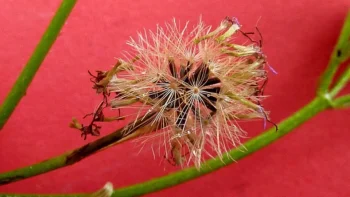
Praxelis: A Little-Known Perennial for Warm Climate Gardens
Meet Praxelis clematidea, a humble little perennial that goes by the simple common name of Praxelis. While it might not be the showiest plant in your garden center, this unassuming forb has quietly made itself at home in Florida’s landscape. But should you consider adding it to your garden? Let’s dig into what makes this South American native tick.
What Exactly Is Praxelis?
Praxelis clematidea is a perennial forb—basically a non-woody flowering plant that comes back year after year. Think of it as a cousin to daisies and sunflowers, part of the huge composite flower family. Originally from South America (particularly Brazil, Argentina, and Paraguay), this little wanderer has found its way to Florida’s warm climate where it’s settled in quite comfortably.
You might occasionally see it listed under its old scientific names like Eupatorium clematideum, but Praxelis clematidea is the current accepted name botanists use.
Where You’ll Find Praxelis Growing
Currently, Praxelis has established itself in Florida, where it grows as a naturalized species. This means it reproduces on its own without human help and has become part of the local plant community.
- Species observed
- No observations
The Good, The Bad, and The Practical
Why you might want to grow it:
- Low maintenance once established
- Attracts small pollinators like butterflies and native bees
- Drought tolerant in suitable climates
- Works well in naturalized or informal garden settings
- Perennial growth means it’ll return each year
Why you might want to pass:
- Not particularly showy—flowers are small and somewhat inconspicuous
- As a non-native species, it doesn’t support local ecosystems as well as native plants
- Limited to very warm climates (USDA zones 8b-11)
- May self-seed more readily than you’d like
Growing Praxelis Successfully
Climate Requirements: Praxelis is strictly for warm climate gardeners in USDA hardiness zones 8b through 11. If you’re dealing with hard freezes, this isn’t the plant for you.
Growing Conditions: This adaptable little plant handles various conditions pretty well. It prefers full sun to partial shade and isn’t too picky about soil types. Once established, it’s quite drought tolerant, making it suitable for low-water gardens.
Wetland Status: Praxelis is classified as Facultative Upland in the Atlantic and Gulf Coastal Plain region, meaning it usually prefers drier sites but can occasionally tolerate wetter conditions.
Care Tips: The beauty of Praxelis lies in its low-maintenance nature. Once planted, it generally takes care of itself. Just be aware that it may self-seed, so you might find new plants popping up in unexpected places.
Landscape Role and Design Ideas
Praxelis works best in informal, naturalized settings rather than formal garden beds. Consider it for:
- Wildflower meadows or prairies
- Low-maintenance groundcover areas
- Pollinator gardens (though native alternatives would be more beneficial)
- Areas where you want something that’ll spread and fill in naturally
A Word About Native Alternatives
While Praxelis isn’t considered invasive, choosing native plants is generally better for local wildlife and ecosystems. If you’re in Florida, consider native alternatives like Wild Pennyroyal (Piloblephis rigida), Chapman’s Goldenrod (Solidago odora var. chapmanii), or Florida Paintbrush (Carphephorus corymbosus). These natives will provide similar low-maintenance appeal while supporting local butterflies, bees, and other wildlife much more effectively.
The Bottom Line
Praxelis clematidea is a perfectly serviceable plant for warm climate gardens—it’s tough, low-maintenance, and provides some pollinator value. However, it’s not going to win any beauty contests, and you’ll likely get more ecological bang for your buck with native Florida plants. If you already have it growing in your garden, there’s no need to panic or remove it, but when planning new plantings, consider giving preference to native species that will better support your local ecosystem.