Prickly Comfrey: A Hardy Perennial with Old-World Charm
If you’re looking for a tough, no-fuss perennial that can handle neglect while still putting on a decent show, prickly comfrey (Symphytum asperum) might catch your eye. This robust herb brings a touch of old-world cottage garden charm to modern landscapes, though it’s worth understanding exactly what you’re getting into before you plant it.
What is Prickly Comfrey?
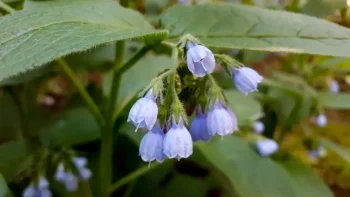
Prickly comfrey is a perennial forb – essentially a non-woody flowering plant that comes back year after year. True to its name, this plant has rough, bristly leaves that can be quite prickly to the touch. During its blooming period, it produces small tubular flowers in shades of blue to purple, arranged in distinctive curved clusters that nod gracefully from the stems.
As a member of the borage family, prickly comfrey shares some characteristics with other familiar garden plants, though it’s definitely on the more rustic side of things. The plant forms clumps and can spread via underground rhizomes, making it an effective ground cover once established.
Native Status and Distribution
Here’s something important to know upfront: prickly comfrey isn’t native to North America. Originally from the Caucasus region and parts of Asia Minor, this plant has made itself at home across much of the continent. It now grows in a remarkable range of locations, from Alaska and British Columbia down through the lower 48 states, including California, New York, Massachusetts, and many states in between.
The plant has naturalized successfully – meaning it reproduces on its own in the wild without human help – and tends to persist wherever it’s established. While it’s not currently listed as invasive, this widespread distribution shows just how adaptable and vigorous prickly comfrey can be.
- Species observed
- No observations
Should You Plant Prickly Comfrey?
The decision to grow prickly comfrey depends on what you’re looking for in your garden. Here are some reasons you might consider it:
- Low maintenance: Once established, it requires very little care
- Pollinator friendly: The flowers attract bees and other beneficial insects
- Historical interest: Traditionally grown as a medicinal herb and livestock fodder
- Adaptable: Thrives in various conditions and soil types
- Ground cover potential: Can fill in areas where other plants struggle
However, there are some considerations to keep in mind. As a non-native species that spreads readily, prickly comfrey might not be the best choice if you’re trying to create habitat for local wildlife or support native ecosystems. The plant’s spreading habit also means it can potentially outcompete more delicate native species if not managed properly.
Growing Conditions and Care
One of prickly comfrey’s greatest assets is its adaptability. This hardy perennial is generally suitable for USDA hardiness zones 3-9, making it viable for most North American gardens.
According to wetland status data, prickly comfrey typically prefers upland conditions – it almost never occurs in wetlands in most regions, though it shows more flexibility in the Arid West and Western Mountains, where it can handle both wet and dry sites.
Ideal growing conditions include:
- Moist but well-draining soil
- Partial shade to full sun exposure
- Various soil types (quite tolerant)
- Regular water during establishment, then fairly drought tolerant
The plant typically reaches a moderate height and can spread to form sizeable clumps over time. Its coarse texture and somewhat informal appearance make it best suited for cottage gardens, herb gardens, naturalized areas, or spaces where you want reliable ground cover without a lot of fuss.
Planting and Maintenance Tips
Getting prickly comfrey established is generally straightforward. The plant is quite forgiving and doesn’t demand perfect conditions to thrive. Once planted, it requires minimal ongoing care – just occasional watering during dry spells and perhaps some containment if it starts spreading beyond where you want it.
Keep in mind that prickly comfrey can self-seed and spread via rhizomes, so regular monitoring might be necessary to keep it within bounds. If you’re concerned about unwanted spread, consider removing spent flowers before they set seed.
Native Alternatives to Consider
If you’re drawn to prickly comfrey’s pollinator benefits and low-maintenance nature but prefer to support native ecosystems, consider these alternatives:
- Wild bergamot (Monarda fistulosa): Another bee magnet with aromatic foliage
- Wild ginger (Asarum canadense): Excellent native ground cover for shaded areas
- Coral bells (Heuchera species): Native perennials with attractive foliage and delicate flowers
- Native sedges: Many species offer excellent ground cover with ecological benefits
The Bottom Line
Prickly comfrey is a reliable, low-maintenance perennial that can fill a niche in certain garden situations. While it’s not native to North America, it’s not currently considered invasive either, making it a neutral choice for gardeners who appreciate its hardiness and pollinator appeal. Just remember to keep an eye on its spreading tendencies and consider whether native alternatives might better serve your garden’s ecological goals.
Whether you choose prickly comfrey or opt for native species instead, the most important thing is creating a garden that brings you joy while supporting the broader web of life in your area.