Primrose Peerless: A Charming Spring Bulb with Old-World Appeal
If you’re looking for a fragrant, early-blooming bulb that brings a touch of old-world charm to your garden, primrose peerless (Narcissus ×medioluteus) might catch your eye. This delightful daffodil hybrid has been gracing gardens for centuries, though it comes with some considerations worth knowing about.
What Is Primrose Peerless?
Primrose peerless is a perennial bulb that belongs to the daffodil family. As a forb—basically a non-woody flowering plant—it emerges from underground bulbs each spring to put on a cheerful display before retreating back underground for the summer months.
You might also see this plant listed under its botanical synonyms, including Narcissus biflorus or Narcissus poetaz, but these all refer to the same lovely hybrid that’s been delighting gardeners for generations.
Where Does It Come From?
Here’s something important to know: primrose peerless isn’t native to North America. This Mediterranean native has naturalized across several states, including Illinois, Indiana, Kentucky, Maryland, Michigan, North Carolina, Ohio, Tennessee, Virginia, and others in the eastern and central United States. While it reproduces on its own in the wild, its invasive status isn’t well documented.
- Species observed
- No observations
The Beauty Factor
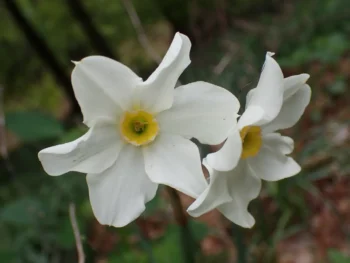
What makes primrose peerless special? Picture this: delicate white petals surrounding a sunny yellow center, with 1-4 flowers gracefully nodding from each stem. The real showstopper, though, is the fragrance—a sweet, honey-like scent that can perfume an entire corner of your garden on warm spring days.
These charming blooms typically appear in early spring, making them valuable for extending your garden’s flowering season when not much else is in bloom yet.
Garden Role and Design Ideas
Primrose peerless works beautifully in several garden settings:
- Naturalized in woodland edges or meadow-style plantings
- Cottage garden borders alongside other spring bloomers
- Cut flower gardens (they’re lovely in bouquets!)
- Rock gardens where drainage is excellent
The plants typically reach about 12-16 inches tall and spread slowly over time, making them well-behaved additions to most garden designs.
Growing Conditions
Like most daffodils, primrose peerless is fairly easy-going about its growing conditions:
- Sunlight: Full sun to partial shade (morning sun is especially beneficial)
- Soil: Well-draining soil is essential—these bulbs hate wet feet
- Water: Moderate moisture during spring growing season, but prefers dry conditions during summer dormancy
- Hardiness: Thrives in USDA zones 6-9
Planting and Care Tips
Getting primrose peerless established is straightforward:
- Plant bulbs in fall, about 6 inches deep and 4-6 inches apart
- Choose a location with good drainage—raised beds work well if your soil is heavy
- Water regularly during spring growth, then reduce watering as foliage yellows
- Allow leaves to die back naturally (this feeds the bulb for next year’s display)
- Divide clumps every 4-5 years if they become overcrowded
Benefits for Pollinators
Early-blooming flowers like primrose peerless provide valuable nectar for bees and other pollinators when food sources are still scarce. The accessible flower shape makes it easy for various insects to reach the nectar and pollen.
Should You Plant It?
While primrose peerless can be a lovely addition to gardens, especially if you’re drawn to its fragrant, old-fashioned charm, consider that it’s not native to North America. If you’re focused on supporting local ecosystems, you might want to explore native spring bulbs instead.
Some beautiful native alternatives to consider include:
- Wild ginger (Asarum canadense) for shaded areas
- Trout lily (Erythronium americanum) for woodland gardens
- Spring beauty (Claytonia virginica) for early spring color
If you do choose to grow primrose peerless, it’s generally well-behaved and shouldn’t cause problems in most garden settings. Just be mindful of its spreading habit and consider containing it if you want to prevent naturalization in sensitive areas.
The Bottom Line
Primrose peerless offers reliable spring beauty with minimal fuss, making it appealing for gardeners who love fragrant, early-season flowers. While it’s not native, it’s also not known to be aggressively invasive. Whether you choose to grow it depends on your gardening goals—if you prioritize native plants, there are wonderful alternatives, but if you’re drawn to its particular charm and fragrance, it can be a delightful addition to the right garden setting.