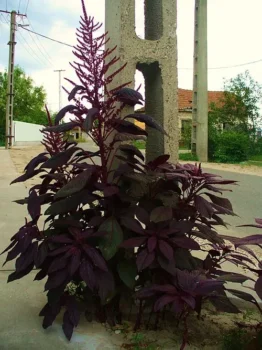
Prince-of-Wales Feather: A Striking Annual with Plume-Like Blooms
Looking for a dramatic annual that can add serious height and texture to your garden? Prince-of-Wales feather (Amaranthus hypochondriacus) might just be the showstopper you’re seeking. This towering beauty produces magnificent, plume-like flower spikes that can turn any garden bed into a conversation starter.
What Exactly Is Prince-of-Wales Feather?
Prince-of-Wales feather is an annual forb – essentially a non-woody plant that completes its entire life cycle in one growing season. Also known by its scientific name Amaranthus hypochondriacus, this plant belongs to the amaranth family and can reach impressive heights of 3 to 6 feet tall.
The plant produces dense, upright flower spikes that come in eye-catching colors including deep red, purple, and green. These plumes can grow quite large and create a bold vertical element in garden designs.
Where Does It Come From?
Originally native to Central America and Mexico, Prince-of-Wales feather is considered a non-native species in the United States. However, it has established itself across many states and now grows wild in Arizona, California, Florida, Kansas, Massachusetts, Michigan, Minnesota, Mississippi, Missouri, Nebraska, New Mexico, New York, Pennsylvania, Texas, Utah, and Wisconsin.
- Species observed
- No observations
Should You Plant Prince-of-Wales Feather?
While this plant can certainly make a stunning addition to your garden, there are a few things to consider. Since it’s non-native, you might want to explore native alternatives first. However, if you’re drawn to its unique appearance and it’s not causing problems in your local ecosystem, it can be a worthwhile garden addition.
Here’s what makes it appealing:
- Dramatic height and texture for back-of-border plantings
- Excellent cut flowers that dry beautifully
- Low maintenance once established
- Interesting architectural form
- Seeds are edible and nutritious
Native Alternatives to Consider
Before committing to Prince-of-Wales feather, consider these native options that offer similar height and drama:
- Wild bergamot (Monarda fistulosa)
- Joe Pye weed (Eutrochium species)
- Native sunflowers (Helianthus species)
- Ironweed (Vernonia species)
Where Does Prince-of-Wales Feather Shine?
This plant works best in:
- Annual flower gardens where you want height variation
- Cutting gardens for fresh and dried arrangements
- Edible landscapes (the seeds are nutritious and the leaves are edible when young)
- Contemporary or modern garden designs that embrace bold, architectural plants
Growing Conditions and Care
The good news? Prince-of-Wales feather is pretty easygoing once you understand its preferences.
Light and Soil
This plant absolutely loves full sun – think 6 or more hours of direct sunlight daily. It’s quite adaptable to different soil types but performs best in well-drained soil. Once established, it shows impressive drought tolerance.
USDA Hardiness Zones
As an annual, Prince-of-Wales feather can be grown in USDA zones 2-11. It completes its life cycle in one season regardless of your climate zone.
Planting and Care Tips
When and How to Plant
Wait until all danger of frost has passed before direct seeding in your garden. The seeds are tiny, so don’t bury them too deeply – just barely cover them with soil. You can also start seeds indoors 4-6 weeks before your last frost date.
Spacing and Maintenance
Once seedlings emerge, thin them to 12-18 inches apart to give each plant room to reach its full potential. These plants can get quite large, so don’t be tempted to crowd them.
Maintenance is minimal:
- Water regularly until established, then reduce frequency
- No fertilizing needed in average soils
- Deadhead spent flowers if you want to prevent self-seeding
- Harvest flower spikes for drying before seeds fully mature
Wildlife and Pollinator Benefits
While Prince-of-Wales feather is primarily wind-pollinated, its flowers may attract some beneficial insects. Birds might enjoy the seeds if you allow the plants to go to seed naturally.
The Bottom Line
Prince-of-Wales feather can be a striking addition to gardens where dramatic height and unique texture are desired. While it’s not native, it’s also not considered problematic in most areas where it grows. If you decide to grow it, enjoy its bold presence while also considering native alternatives for future plantings. Either way, you’ll have a garden that’s sure to turn heads!