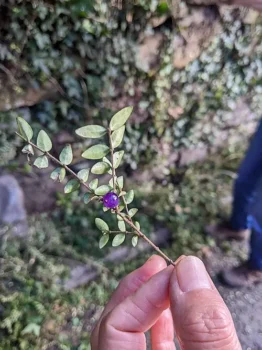
Privet Honeysuckle: A Low-Maintenance Ground Cover with a Few Caveats
If you’re hunting for a tough-as-nails ground cover that laughs in the face of neglect, privet honeysuckle (Lonicera pileata) might catch your eye. This evergreen shrub has been quietly making itself at home in American gardens, though it comes with a story worth knowing before you plant.
What Exactly Is Privet Honeysuckle?
Don’t let the honeysuckle name fool you into expecting a vigorous vine—privet honeysuckle is actually a low-growing, spreading shrub that behaves more like a well-mannered ground cover. This perennial woody plant typically stays under 4-5 feet tall, with multiple stems emerging from the ground to create a dense, carpet-like effect.
The small, glossy oval leaves give it an almost buxus-like appearance, which explains why it sometimes gets mistaken for a type of boxwood. In spring, tiny fragrant white flowers appear, followed by purple berries that add a pop of color to the landscape.
The Not-So-Native Truth
Here’s where things get interesting: privet honeysuckle isn’t actually native to North America. This Chinese native has established itself in the wild, particularly in Washington state, where it reproduces without any help from gardeners. While it’s not currently flagged as invasive in most areas, its ability to naturalize means it’s worth considering native alternatives if you’re focused on supporting local ecosystems.
- Species observed
- No observations
Why Gardeners Love (and Sometimes Regret) This Plant
Privet honeysuckle has earned its fans for good reasons:
- Extremely low maintenance once established
- Tolerates shade where many ground covers struggle
- Drought tolerant after the first year
- Evergreen foliage provides year-round coverage
- Handles poor soils like a champ
- Useful for erosion control on slopes
However, its spreading nature via underground stems can become problematic if you’re not prepared for its wandering ways.
Perfect Spots for Privet Honeysuckle
This shrub shines in woodland gardens and naturalized areas where its spreading habit is actually welcome. It’s particularly valuable for:
- Slopes that need erosion control
- Shady areas under trees where grass won’t grow
- Low-maintenance landscape borders
- Areas where you want evergreen coverage without constant care
Growing Conditions That Make It Happy
Privet honeysuckle is refreshingly unfussy about its living conditions. It thrives in USDA hardiness zones 6-9 and adapts to various situations:
- Light: Partial shade to full shade (tolerates some sun)
- Soil: Adaptable to most soil types, including poor soils
- Water: Drought tolerant once established, but appreciates occasional watering
- pH: Not particularly picky about soil acidity
Planting and Care Made Simple
Getting privet honeysuckle established is straightforward. Plant in spring or fall, water regularly the first year, then step back and let it do its thing. It responds well to pruning if you need to control its spread or shape, and you can trim it almost any time of year without drama.
The main care you’ll need to provide is occasional monitoring to ensure it’s not spreading beyond where you want it.
Wildlife and Pollinator Benefits
While not native, privet honeysuckle does offer some benefits to local wildlife. The spring flowers provide nectar for bees and other small pollinators, and birds occasionally enjoy the purple berries. However, these benefits pale in comparison to what native plants offer.
Should You Plant It?
Privet honeysuckle can be a practical choice for challenging spots where native options might struggle. However, before planting, consider native alternatives like wild ginger, creeping phlox, or native ferns that would provide similar ground cover benefits while supporting local wildlife more effectively.
If you do choose privet honeysuckle, plant it responsibly by monitoring its spread and preventing it from escaping into natural areas. Remember, what works well in your garden shouldn’t become tomorrow’s invasive headache for local ecosystems.