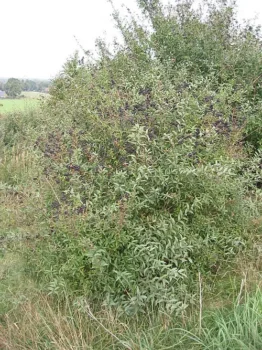
Privet Plant Guide: Understanding Ligustrum sempervirens
If you’ve come across the name Ligustrum sempervirens in your gardening research, you might be scratching your head trying to find reliable information about this particular plant. You’re not alone! This botanical name presents something of a puzzle in the plant world.
What’s in a Name? The Ligustrum sempervirens Mystery
The genus Ligustrum is well-known among gardeners, but it typically refers to the various privet species – many of which are non-native plants that have become problematic in North American landscapes. However, Ligustrum sempervirens doesn’t appear in most authoritative botanical databases as a recognized species name.
This could mean a few things:
- It might be an outdated or incorrect botanical name
- There could be confusion with another plant entirely
- It may be a regional common name mix-up
The Ligustrum Family: What You Should Know
Most plants in the Ligustrum genus are actually non-native species that have earned a reputation as aggressive invaders in many parts of North America. These privets can quickly take over natural areas, crowding out native plants that wildlife depends on.
A Word of Caution
If you’re considering planting any privet species, it’s worth doing your homework first. Many Ligustrum species are considered invasive in various regions and can cause serious ecological problems. They might look attractive in the garden center, but they often escape cultivation and wreak havoc on local ecosystems.
Better Native Alternatives
Instead of gambling with potentially problematic privets, consider these fantastic native alternatives that offer similar benefits without the ecological risks:
- Native viburnums for screening and wildlife value
- Native hollies for evergreen structure
- Native serviceberries for multi-season interest
- Native dogwoods for beautiful foliage and flowers
The Bottom Line
When it comes to Ligustrum sempervirens, the safest approach is to steer clear until you can verify exactly what plant you’re dealing with. If someone has recommended this plant to you, ask for clarification on the exact species and do some additional research.
Remember, the best gardens are those that work with nature rather than against it. By choosing well-researched, appropriate plants for your region, you’ll create a landscape that’s both beautiful and beneficial for local wildlife.
Getting Expert Help
If you’ve encountered this plant name and need help identifying what you’re actually looking at, don’t hesitate to reach out to your local cooperative extension office or master gardener program. They can help you make a positive identification and suggest the best plants for your specific gardening goals.