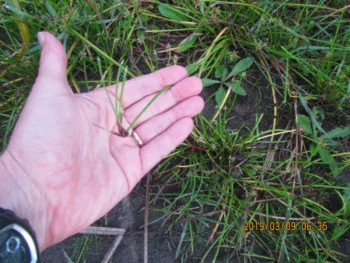
Proliferating Bulrush: A Water-Loving Ground Cover for Wet Gardens
Looking for a low-maintenance ground cover that thrives in those perpetually soggy spots in your garden? Meet the proliferating bulrush (Isolepis prolifera), a compact sedge that’s perfectly at home with wet feet. While this little plant might not be the showiest member of your garden party, it’s certainly one of the most reliable when it comes to covering wet ground.
What Is Proliferating Bulrush?
Proliferating bulrush is a perennial sedge that forms dense, low-growing mats of fine, thread-like foliage. Don’t let the name fool you – this isn’t your typical tall, swaying bulrush. Instead, it’s more like nature’s version of green carpet, staying compact and tidy while spreading to cover bare wet soil. The plant produces small, inconspicuous brownish flower clusters that won’t win any beauty contests but get the job done when it comes to reproduction.
You might also see this plant listed under its former scientific name, Scirpus prolifer, if you’re browsing older gardening references.
A Note About Origins
Before we dive into growing tips, it’s worth noting that proliferating bulrush isn’t native to North America. This sedge originally hails from Australia, New Zealand, and Mediterranean regions, and it’s considered an introduced species that has established itself in California. While it’s not currently listed as invasive, many gardeners prefer to support local ecosystems by choosing native alternatives when possible.
If you’re interested in native options, consider looking into native sedges like Carex species that are indigenous to your specific region – they’ll provide similar ground cover benefits while supporting local wildlife.
Where Does It Grow?
In the United States, you’ll primarily find proliferating bulrush established in California, where it has adapted well to the Mediterranean-style climate. As an obligate wetland plant, it’s almost always found in areas with consistent moisture or seasonal flooding.
- Species observed
- No observations
Growing Conditions and Care
If you decide to grow proliferating bulrush, you’ll find it’s refreshingly low-maintenance – as long as you can meet its one non-negotiable requirement: consistent moisture.
Light Requirements
This adaptable sedge tolerates a range of light conditions, from full sun to partial shade. In hotter climates, a bit of afternoon shade can help prevent stress during the hottest parts of summer.
Soil and Water Needs
Here’s where proliferating bulrush really shines – it absolutely loves wet conditions that would spell doom for many other plants. Consistently moist to wet soils are essential, and it can even handle seasonal flooding. Boggy areas, pond margins, and that perpetually damp spot where your downspout drains are all perfect spots for this moisture-loving sedge.
Climate Considerations
Proliferating bulrush thrives in USDA hardiness zones 8-11, making it suitable for Mediterranean and subtropical climates. If you live in a colder region, this probably isn’t the right plant for your garden.
Garden Uses and Design Ideas
While proliferating bulrush might not be the star of your garden show, it’s an excellent supporting player in the right settings:
- Water garden edges and pond margins
- Rain gardens and bioswales
- Bog gardens
- Erosion control on wet slopes
- Ground cover for consistently moist areas
- Naturalistic wetland restoration projects
Planting and Establishment
Plant proliferating bulrush in spring when temperatures are warming up and growth is beginning. Space plants about 12-18 inches apart if you want quick coverage, or farther apart if you’re patient and don’t mind waiting for natural spreading.
The plant spreads through underground runners and can also self-seed, so it will gradually fill in bare spots on its own. This spreading habit makes it excellent for erosion control but also means you’ll want to keep an eye on it if you prefer more controlled growth.
Wildlife and Ecological Value
As a wind-pollinated sedge, proliferating bulrush doesn’t offer much in the way of nectar for pollinators. However, like other wetland plants, it does provide habitat structure in aquatic environments and can contribute to water filtration in constructed wetlands.
The Bottom Line
Proliferating bulrush is a practical choice for gardeners who need reliable ground cover in consistently wet conditions. While it’s not native to North America and doesn’t provide significant wildlife benefits, it’s not considered invasive and can serve a useful function in appropriate settings.
If you’re working on a water garden, rain garden, or struggling with a chronically soggy area in your landscape, proliferating bulrush might be just what you need. However, if supporting native ecosystems is a priority for your garden, consider exploring native sedge alternatives that will provide similar benefits while better supporting local wildlife and maintaining regional ecological integrity.