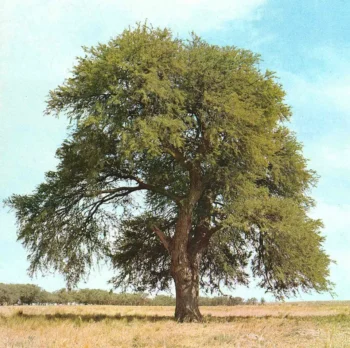
Prosopis argentina: A South American Tree You Should Never Plant
If you’re researching Prosopis argentina for your garden, we need to have a serious chat. While this South American native might sound intriguing, it’s actually a plant you’ll want to steer clear of – and here’s why.
What is Prosopis argentina?
Prosopis argentina is a leguminous tree or large shrub native to South America, particularly found in Argentina, Paraguay, and southern Brazil. Like other members of the Prosopis genus (commonly known as mesquites), this species is incredibly hardy and adaptable – perhaps too adaptable for its own good.
Why You Shouldn’t Plant It
Here’s the deal: Prosopis argentina is classified as a noxious weed in the United States. This isn’t just a bureaucratic label – it means this plant poses a serious threat to native ecosystems and agriculture. When a plant earns noxious status, it’s because it:
- Spreads aggressively and displaces native vegetation
- Forms dense thickets that are difficult to control
- Can alter soil chemistry and water availability
- Provides little ecological value to native wildlife
Geographic Distribution and Spread
Originally from the grasslands and dry forests of South America, Prosopis argentina has unfortunately found its way into other regions where it doesn’t belong. Its ability to thrive in drought conditions and poor soils makes it particularly problematic in arid and semi-arid regions.
Identifying Prosopis argentina
If you encounter this plant in the wild, here’s how to recognize it:
- Small to medium-sized tree or large shrub
- Compound leaves with small leaflets
- Fragrant yellow flower spikes (though pretty, don’t be fooled!)
- Long, twisted seed pods
- Often forms dense thickets
- Extremely drought tolerant
What to Do Instead
If you’re drawn to drought-tolerant trees with interesting forms and wildlife benefits, consider these native alternatives instead:
- Native mesquites (if you’re in their natural range)
- Desert willow (Chilopsis linearis)
- Palo verde species (Parkinsonia florida or P. microphylla)
- Texas redbud (Cercis canadensis var. texensis)
These native options will give you similar aesthetic appeal while supporting local ecosystems and staying where they belong.
The Bottom Line
Sometimes in gardening, the most responsible choice is saying no to a plant, even if it seems appealing. Prosopis argentina falls squarely in this category. Its noxious weed status isn’t just a suggestion – it’s a warning that this plant can cause real ecological harm.
Instead of risking the introduction or spread of this problematic species, invest your gardening energy in native alternatives that will beautify your landscape while supporting local wildlife and ecosystems. Your local environment (and your neighbors) will thank you!