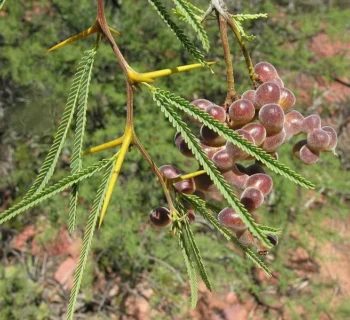
Prosopis torquata: A Plant to Avoid in Your Garden
When it comes to choosing plants for your garden, not every species deserves a spot in your landscape. Prosopis torquata is one such plant that gardeners should steer clear of, and here’s why.
What We Know (And Don’t Know) About This Plant
Prosopis torquata is a plant shrouded in mystery. While it belongs to the Prosopis genus – a group that includes various mesquite species – reliable information about this particular species is surprisingly scarce. This lack of readily available information is often a red flag in the gardening world, suggesting either extreme rarity or potential taxonomic confusion.
The Big Red Flag: Noxious Weed Status
Here’s what we do know for certain: Prosopis torquata is classified as a noxious weed in the United States. This designation isn’t handed out lightly – it means this plant poses a significant threat to agriculture, natural ecosystems, or public health. When a plant earns noxious weed status, it’s essentially nature’s way of saying keep out!
Noxious weeds typically share some troublesome characteristics:
- Aggressive spreading behavior
- Difficulty in control or removal
- Negative impact on native plant communities
- Potential harm to livestock or wildlife
- Economic damage to agricultural operations
Why You Shouldn’t Plant It
Given its noxious weed classification, planting Prosopis torquata would be like inviting trouble into your garden. Beyond the potential legal issues (many areas prohibit the cultivation of noxious weeds), you’d be risking:
- Uncontrolled spread to neighboring properties
- Damage to local ecosystems
- Difficulty in future removal
- Potential conflicts with local regulations
Better Alternatives for Your Garden
Instead of risking the problems associated with Prosopis torquata, consider these responsible gardening alternatives:
- Research native plants in your specific region
- Consult with local extension services or native plant societies
- Choose well-behaved, non-invasive species that support local wildlife
- Focus on plants with known benefits and manageable growth habits
The Bottom Line
Sometimes the best gardening advice is knowing what not to plant. Prosopis torquata, with its noxious weed status and mysterious profile, falls squarely into the avoid at all costs category. Your garden – and your neighbors – will thank you for choosing more responsible alternatives that enhance rather than threaten your local ecosystem.
Remember: responsible gardening means considering not just what looks good in your space, but what’s good for the broader environment. When in doubt, stick with well-documented native species that support local wildlife and won’t cause headaches down the road.