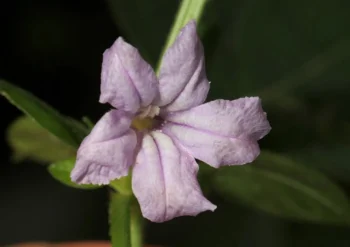
Prostrate Wild Petunia: A Low-Growing Bloomer for Warm Climate Gardens
If you’re looking for a tough, low-maintenance ground cover that produces cheerful purple blooms, prostrate wild petunia (Ruellia prostrata) might catch your eye. This sprawling perennial has made itself at home in Hawaii and other warm regions, though it’s not originally from these areas. Let’s dive into what makes this plant tick and whether it deserves a spot in your garden.
What Is Prostrate Wild Petunia?
Prostrate wild petunia is a perennial forb – basically a soft-stemmed, herbaceous plant that comes back year after year. True to its name, this plant has a prostrate (lying flat) growth habit, spreading along the ground rather than reaching for the sky. Don’t let the petunia part fool you though – it’s not related to the petunias you might know from your local garden center.
Where Does It Come From?
Originally from tropical regions of Central and South America, this plant has traveled far from home. In the United States, you’ll primarily find it established in Hawaii, where it’s considered a non-native species that reproduces on its own in the wild.
- Species observed
- No observations
What Does It Look Like?
This charming little plant stays close to the ground, forming a spreading mat of green foliage topped with small, tubular purple flowers. The blooms are modest but persistent, appearing throughout much of the growing season and adding splashes of color to the landscape.
Garden Appeal and Uses
Prostrate wild petunia works well as:
- Ground cover in sunny to partially shaded areas
- Border plantings along pathways or garden edges
- Rock garden specimens
- Low-maintenance filler in tropical and subtropical landscapes
Growing Conditions and Care
This is definitely a plant for warm-climate gardeners. It thrives in USDA hardiness zones 9-11, where freezing temperatures are rare or nonexistent. Here’s what it needs to flourish:
- Light: Full sun to partial shade
- Soil: Well-draining soil (it’s not picky about soil type)
- Water: Drought tolerant once established, but appreciates occasional watering
- Wetland tolerance: Can handle both wet and dry conditions
Planting and Care Tips
The good news for busy gardeners is that prostrate wild petunia is refreshingly low-maintenance:
- Plant in spring after any chance of frost has passed
- Space plants to allow for spreading
- Water regularly during establishment, then reduce frequency
- Little to no fertilization needed
- Monitor for spreading, as it can colonize areas readily
Wildlife and Pollinator Benefits
The small purple flowers attract butterflies and other small pollinators, making it a useful addition for gardeners interested in supporting local wildlife.
Should You Plant It?
While prostrate wild petunia isn’t invasive or harmful, it’s worth considering that as a non-native species, it doesn’t provide the same ecological benefits as plants that evolved in your local ecosystem. If you’re in Hawaii or another warm region where this plant thrives, it can certainly serve as an attractive, low-maintenance ground cover.
However, if you’re passionate about native gardening, consider exploring indigenous alternatives that offer similar benefits while supporting local wildlife more effectively. Native ground covers and low-growing perennials in your area will likely provide superior habitat value for local birds, butterflies, and other creatures.
The Bottom Line
Prostrate wild petunia is an easygoing plant that delivers reliable color with minimal fuss in warm climates. While it’s not a native species, it’s also not causing ecological havoc. Whether you choose to grow it depends on your gardening goals – if you want simple, colorful ground cover and aren’t focused on native plants, it could work well. If supporting native ecosystems is your priority, you’ll want to explore indigenous alternatives that pack more ecological punch.